Sonos Ace: The Value Pick for Late-Night TV
What the $599 Ace does well, how TV Audio Swap works with a Sonos soundbar, and when the newer Ace Ultra is worth $100 more.
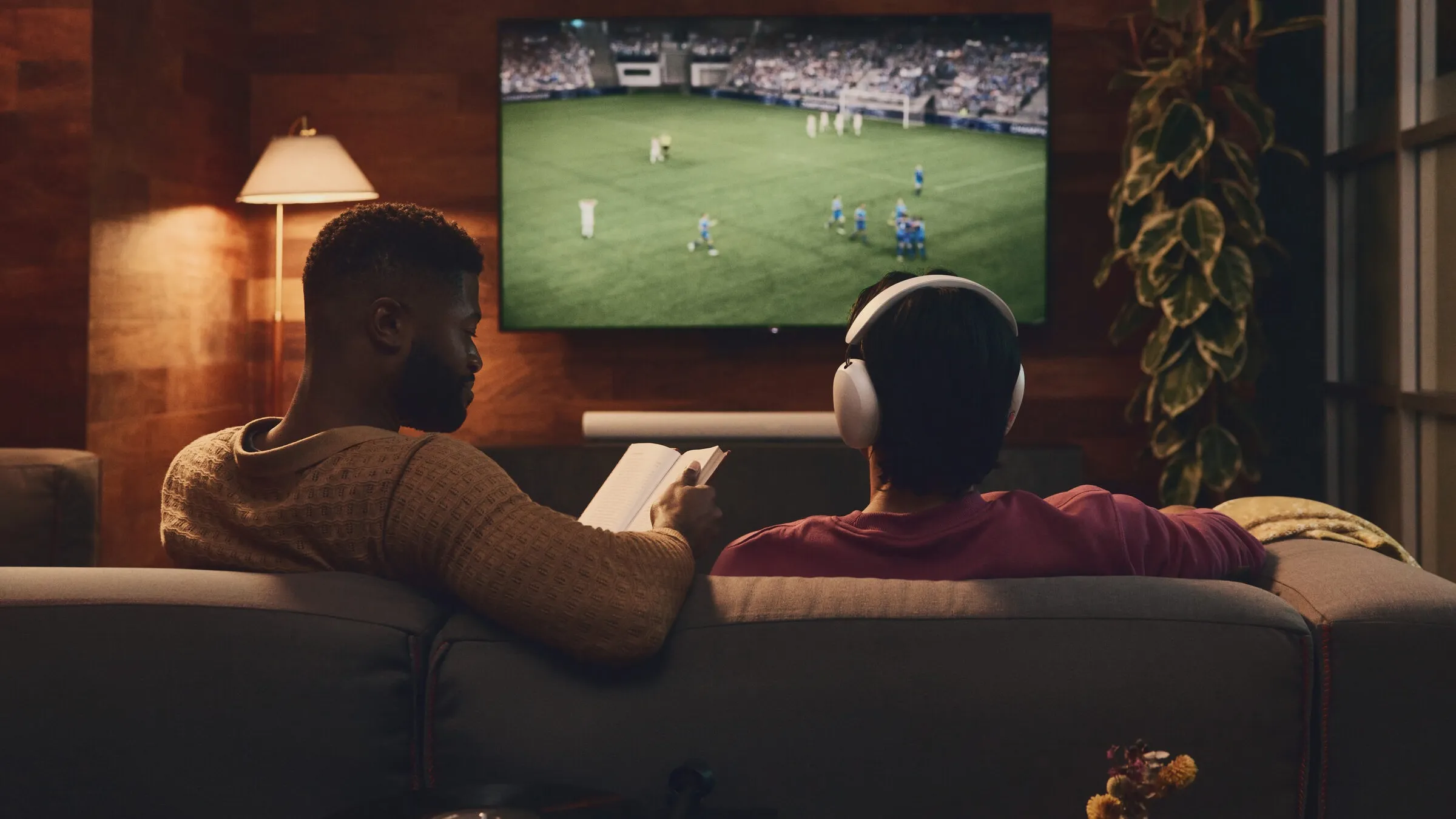
The Sonos Ace was Sonos’s first pair of headphones, released in June 2024, and it’s still sold alongside the newer Ace Ultra. It’s the value pick of the two: for anyone who owns a Sonos soundbar and mainly wants to watch TV late at night without waking the house, it does that job as well as the Ultra for $100 less.
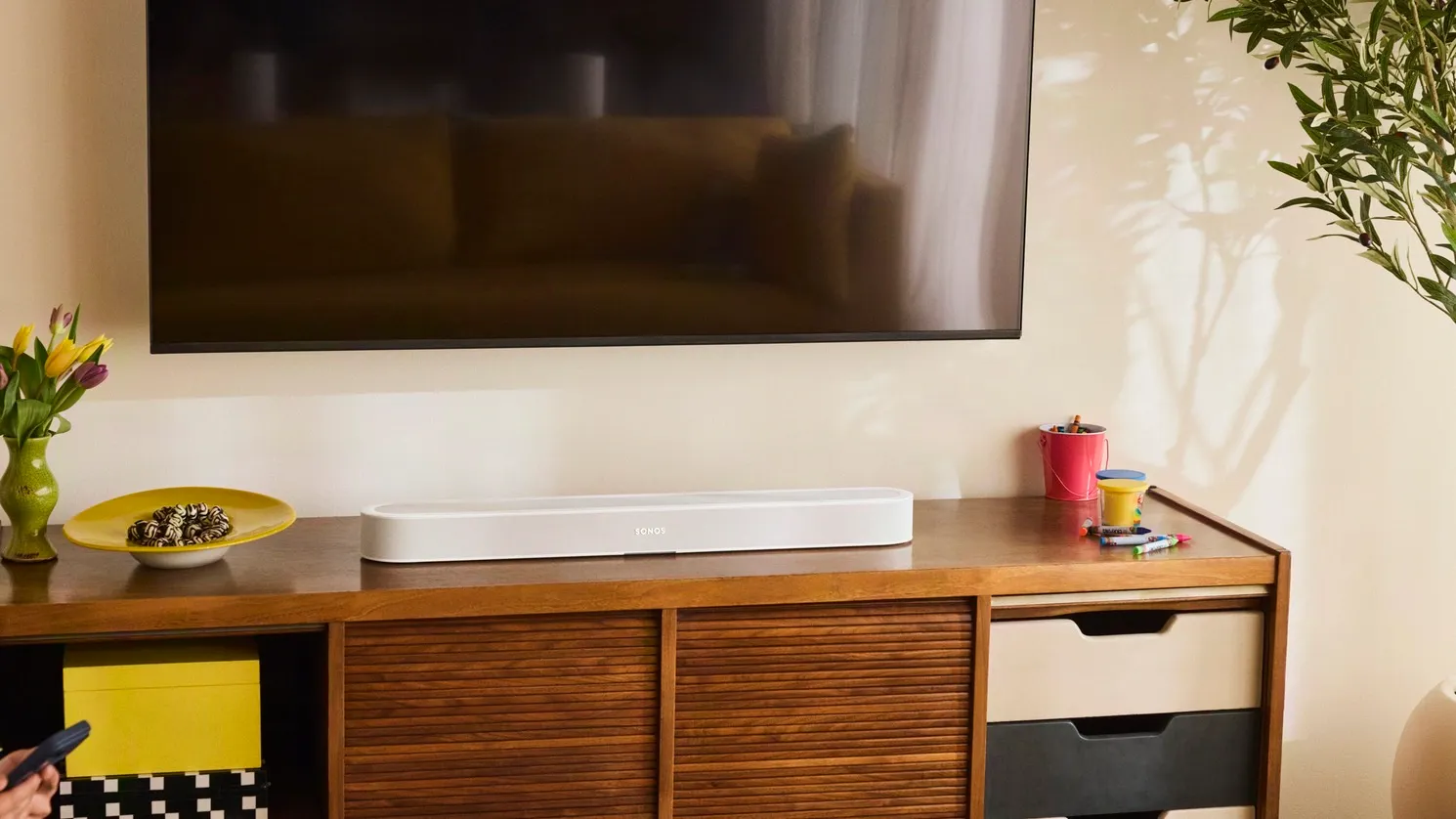
The reason to buy it over Sony or Apple is TV Audio Swap. When someone heads to bed, you press and hold a button on the headphones and the TV sound moves from your Sonos soundbar to your ears. Most headphones can connect to a TV over Bluetooth, but it’s often fiddly, with pairing menus, lag and switching back when you’re done. Sonos makes it a single press, and the Ace has the same TV Audio Swap, the same TrueCinema surround processing and, in independent testing, the same noise cancelling as the Ultra.
This page covers what the Ace does well, what it does with a Sonos soundbar and without one, and when the Ace Ultra is worth the extra. For the rest of the range, see the best Sonos speakers.
What the Ace does well
The Ace has a 40 mm driver in each ear cup and eight microphones for noise cancelling, calls and Aware mode, which lets outside sound in. In SoundGuys’ testing it cut about 88% of noise, against 88.1% for the Ace Ultra, despite Sonos’s claim that the Ultra cancels up to twice as much at low frequencies.
Battery life is up to 30 hours with noise cancelling on, and three minutes on the charger gives up to three hours of listening. It weighs 312 g, comes with a travel case, and is sold in Black and Soft White.
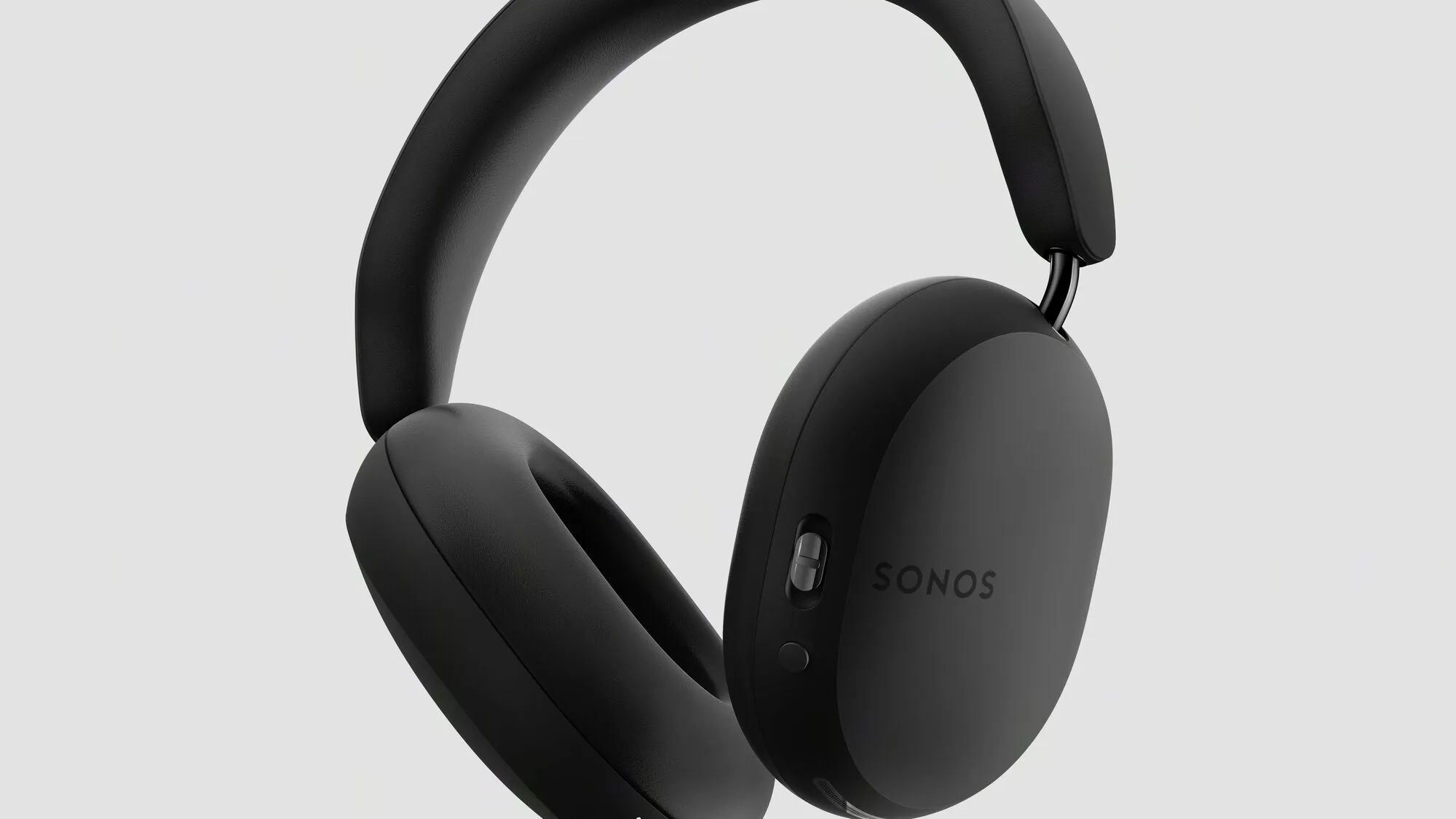
The Sonos Ace in black. Image: Sonos
What a Sonos soundbar adds
TV Audio Swap works with the Ace and the Arc Ultra, the original Arc and Arc SL, the Beam Ultra, both generations of the Beam and the Ray, according to Sonos’s support page. Two pairs can share one soundbar, though head tracking switches off when they do.
The Ace gained TrueCinema in a software update in 2025. It maps your room and uses it to play the soundbar’s surround mix through the headphones, and the Ace also has spatial audio with head tracking. The Ace Ultra page explains how these work in more detail.
The Ace doesn’t have Headphone Linking, the Ultra’s feature for taking music from other Sonos speakers over Wi-Fi, and Sonos hasn’t said whether it will.
Without a Sonos soundbar
The Ace works as an ordinary pair of Bluetooth headphones, connecting to two devices at once, or wired through the USB-C and 3.5 mm cables in the box. It plays lossless audio over USB-C. Sonos doesn’t say which Bluetooth codecs the Ace supports.
Without a Sonos soundbar at home, TV Audio Swap and TrueCinema go unused, and what’s left is a good pair of noise-cancelling headphones. Buy it then for the fit and the sound, not for the Sonos name.
Ace or Ace Ultra
Buy the Ace if you own a Sonos soundbar and mainly want it for late-night TV, or if you want good noise-cancelling headphones for less. It does everything that matters for watching TV as well as the Ultra.
Buy the Ace Ultra if you have Sonos speakers in several rooms and want Headphone Linking, if you want 35 hours of battery rather than 30, or if you listen on an Android phone and want lossless Bluetooth. It also comes in two extra colours, and Sonos sells a replacement battery kit for it.
Price in Australia
The Ace has an RRP of $599 from Sonos Australia, and Sonos often discounts it in sales. Prices were checked in November 2026.
If you don’t have a Sonos soundbar yet, buy that first: the Arc Ultra for a big TV, or the Beam Ultra for a mid-size one.