Rolex Explorer II: The Watch for When You Can't See the Sun
Why Rolex gave a watch for cavers and polar expeditions an orange 24-hour hand, how its second time zone differs from the GMT-Master II's, and what the 42mm 226570 costs in Australia.
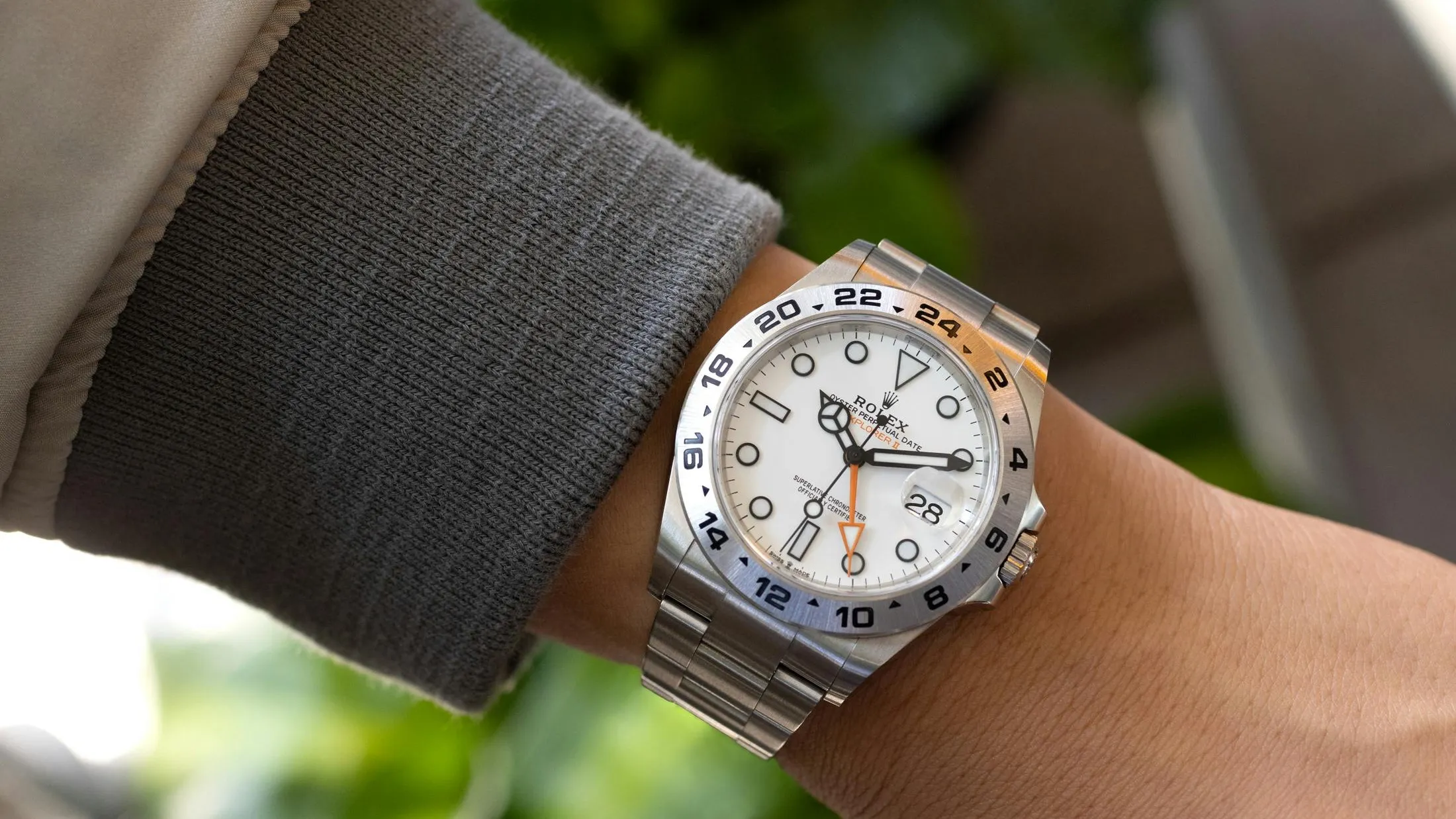
In 1971, Rolex unveiled a watch it said was made for polar explorers, speleologists and anyone pushing the limits of exploration. These are people who lose track of the sun: cavers who spend days underground, and expedition teams working through a polar summer when it never sets. On an ordinary watch, 7 o’clock looks the same morning and night. The Explorer II solved that with a bright orange 24-hour hand that shows at a glance whether it’s day or night.
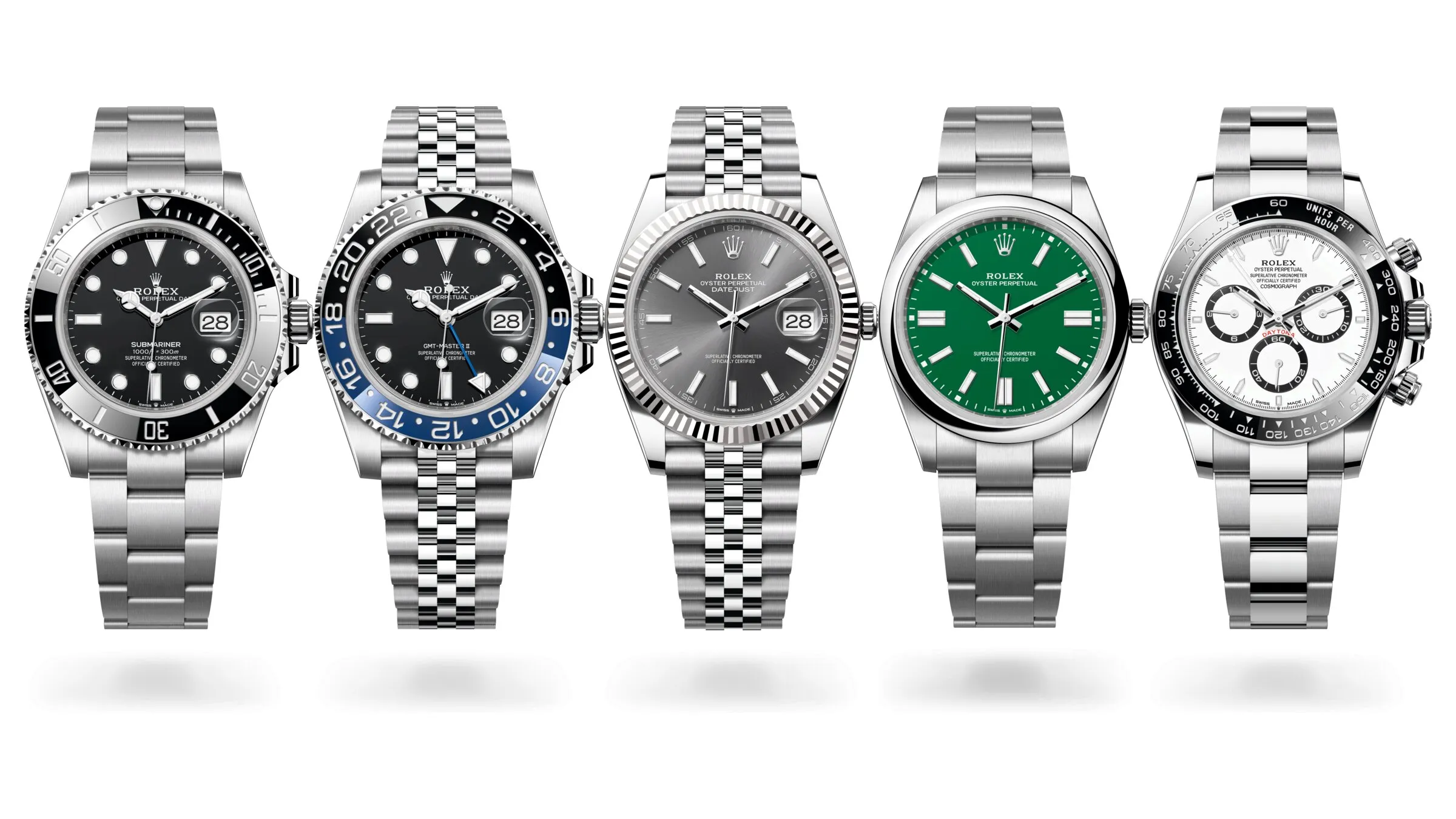
Today’s Explorer II, reference 226570, is a 42mm steel watch with a white or black dial, and it still carries that orange hand. It costs $17,750 and suits anyone who wants Rolex’s second-time-zone movement in a plainer, tougher-looking watch than the GMT-Master II. To see where it sits in the range, read our guide to the best Rolex watches.
Why a 24-hour hand and a date
The Explorer II’s extra hand goes round the dial once a day instead of twice, and points to a bezel engraved from 1 to 24. If it’s on 19, it’s evening. Rolex’s history calls it an invaluable aid around the poles and beneath the ground, where you can’t tell night from day.
The date window is there for the same reason. Rolex says the date is essential once you can no longer tell day from night, and a week in a cave is exactly when you’d lose count.
How the Explorer II grew up
The first big change came in 1982. A new movement let the hour hand be set on its own, separately from the minute hand and the 24-hour hand, so the 24-hour hand could hold a second time zone instead of only marking day and night. The crystal moved to scratch-resistant sapphire at the same time.
Rolex’s own timeline leans on the people who wore it. The volcanologist Haroun Tazieff wore his over a thermal suit on Mount Etna and reported back to Rolex in 1972 that it had worked perfectly in the corrosive gases, when his teammates’ watches hadn’t. The Norwegian explorer Erling Kagge reached the North Pole in 1990, the South Pole in 1993 and the top of Everest in 1994, all with an Explorer II on his wrist. The American mountaineer Ed Viesturs climbed all 14 peaks over 8,000 metres without supplementary oxygen.
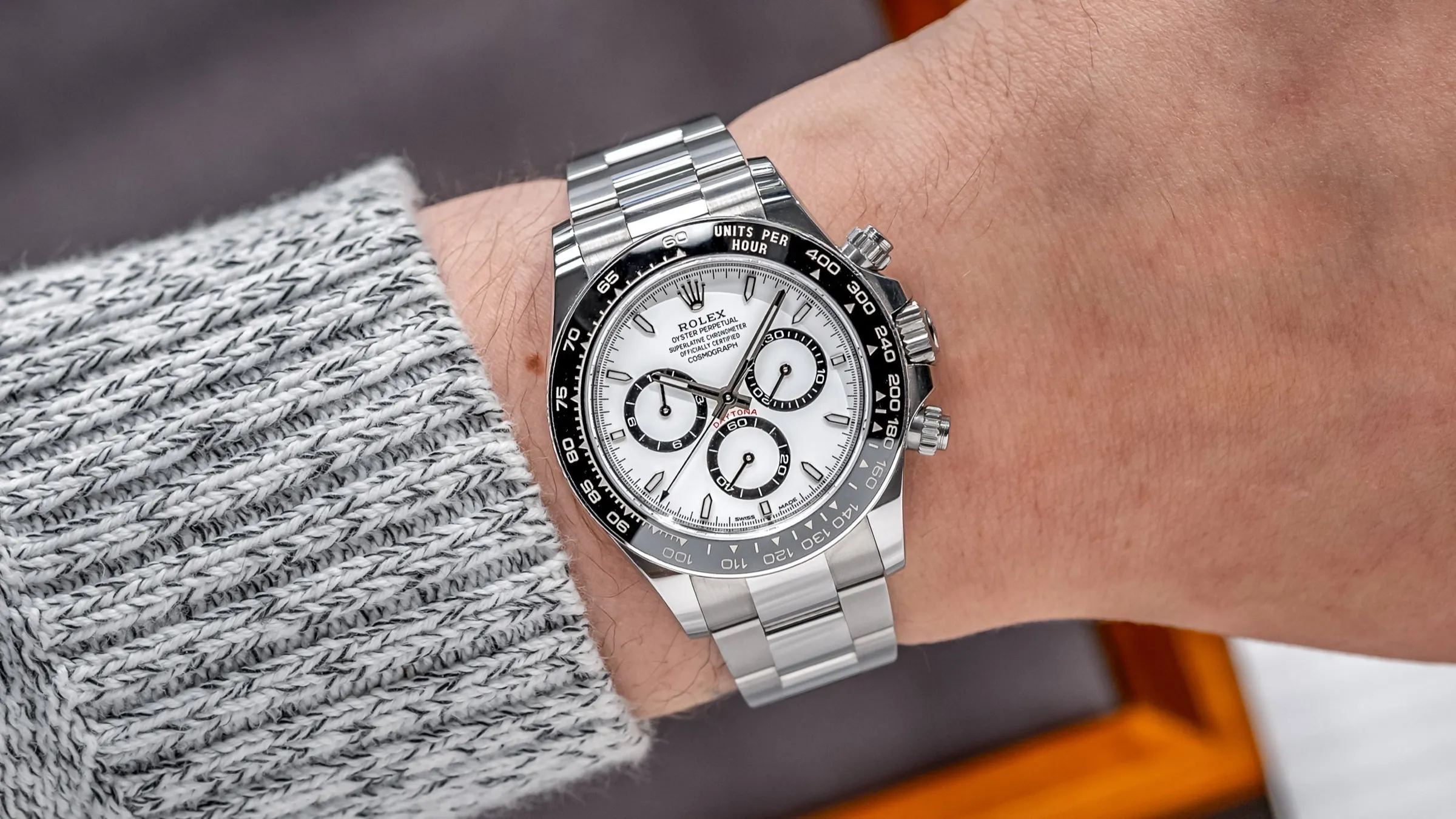
The orange hand disappeared for a time. Through the 1990s and 2000s the Explorer II was the 40mm reference 16570, which Teddy Baldassarre’s review dates from 1989 to 2010, with a white or black dial and a red 24-hour hand. The orange came back in 2011, when Rolex marked the watch’s 40th anniversary by enlarging the case to 42mm and fitting calibre 3187, with a Parachrom hairspring and Paraflex shock absorbers. The year before, the hands and hour markers had switched to Chromalight, which looks white in daylight and glows blue in the dark for hours.
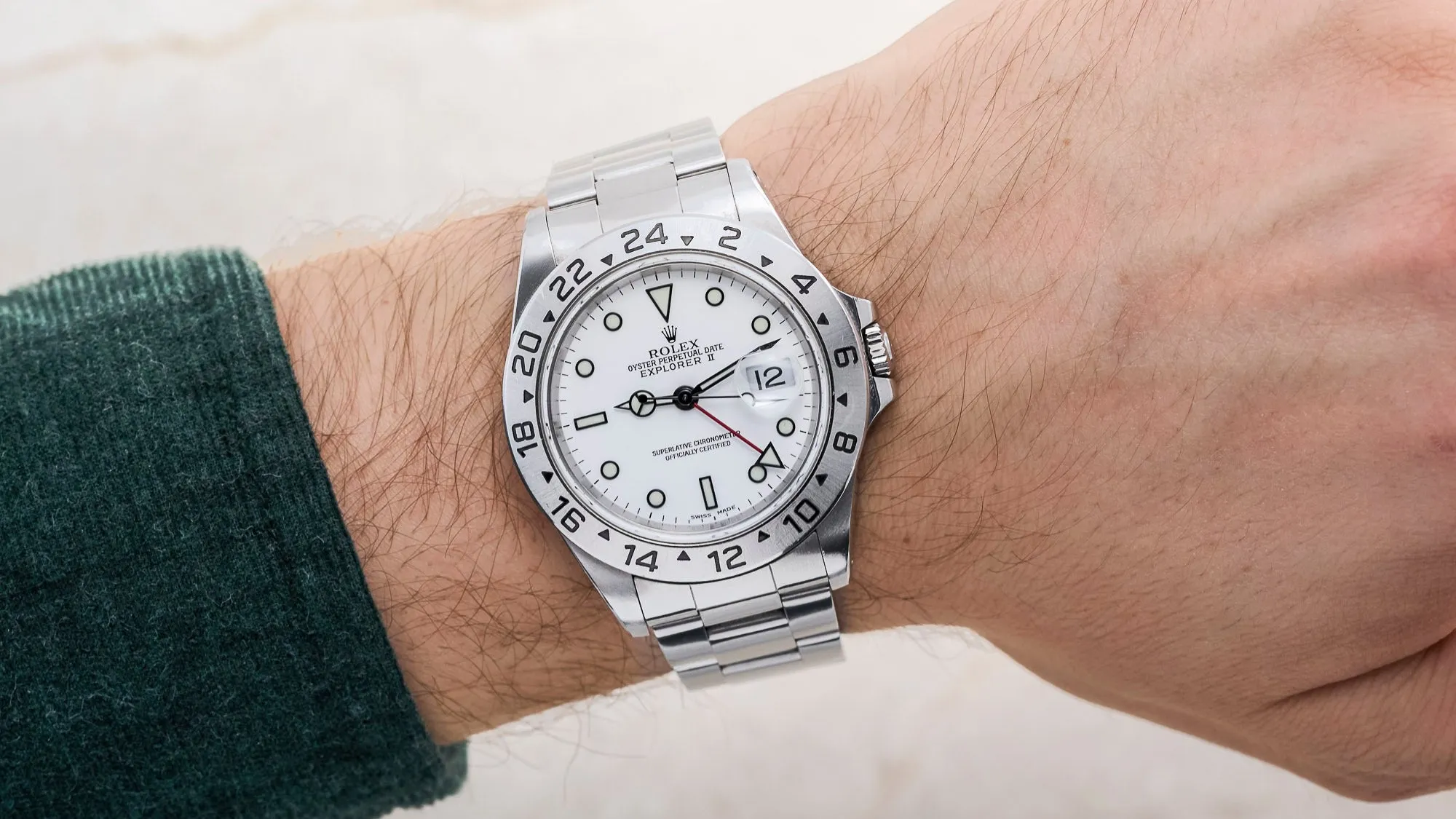
The 40mm reference 16570, the Explorer II of the 1990s and 2000s, with its red 24-hour hand. Photo: Teddy Baldassarre
The current generation arrived in 2021, and Hodinkee covered its launch in both dials. Rolex redrew the case and bracelet, gave the Explorer and Explorer II the first of its optimised Chromalight, and moved the Explorer II to calibre 3285.
How the second time zone works, and how it differs from the GMT-Master II
The GMT-Master II uses the same calibre 3285 and the same idea. Set the 24-hour hand to home time, and when you arrive somewhere new, pull the crown out and jump the hour hand forwards or backwards an hour at a time. The minute and seconds hands keep running, so the watch never loses time while you change zones.
The difference is the bezel. The GMT-Master II’s turns in both directions, so you can rotate it to read a third time zone off the same 24-hour hand. The Explorer II’s is fixed steel, so the 24-hour hand always reads true against it, and there’s nothing to bump out of place. You get one extra zone or a day-and-night indicator, not both: Rolex notes that the 24-hour hand shows a second time zone only when it isn’t being used to show the local time in 24-hour format.
For most travellers that’s plenty. Home time on the orange hand and local time on the hour hand covers a trip to London or a call to New York, and the plain bezel reads more clearly than a two-colour insert.
The Explorer II today
The 226570 comes in two versions, both in Oystersteel on the Oyster bracelet and both $17,750: a white dial and a black dial. The orange 24-hour hand and the fixed bezel are the same on each.
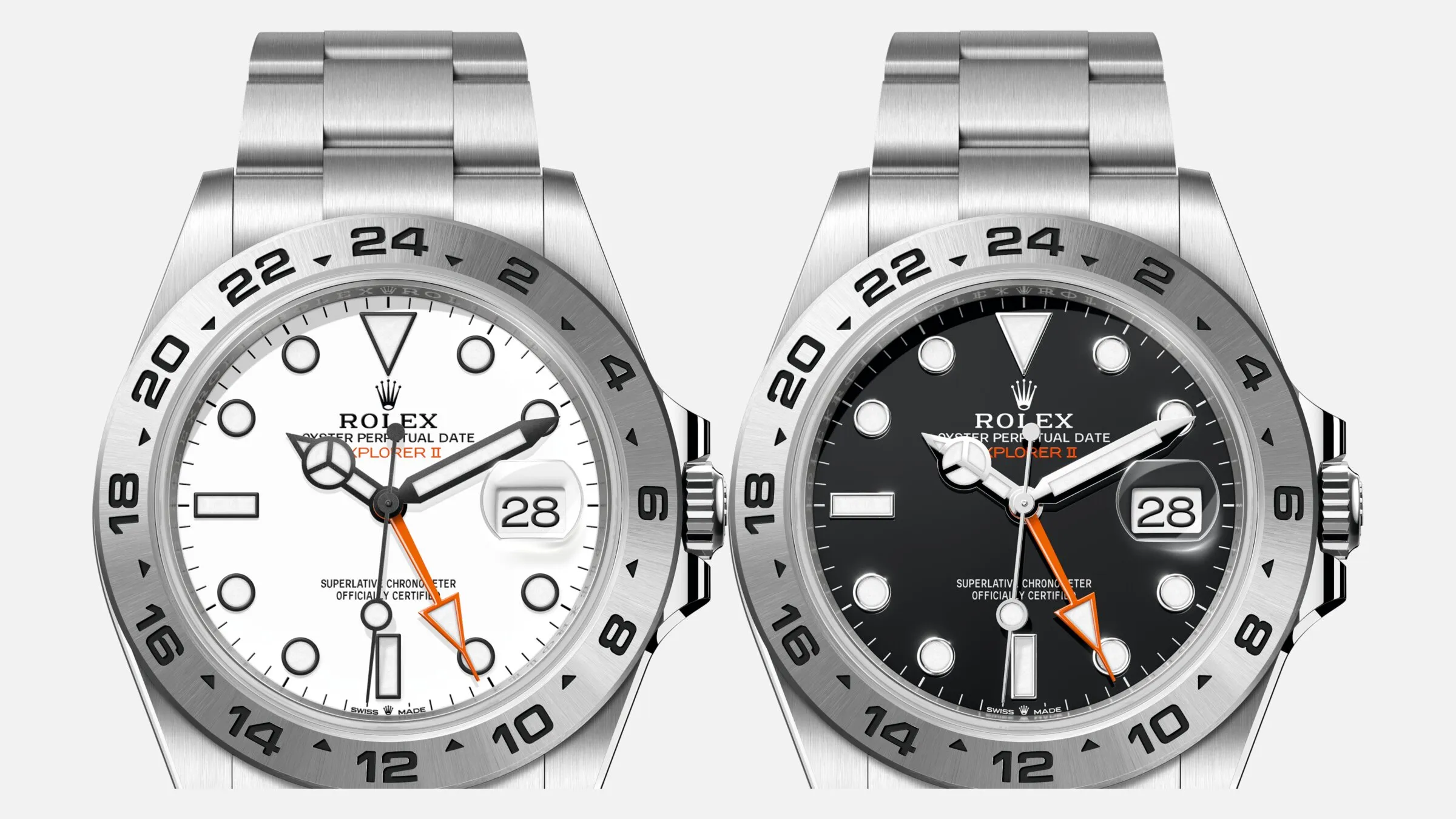
The Explorer II 42mm in white (left) and black. Image: Rolex
The calibre 3285 is accurate to within two seconds a day either way once cased, and runs for about 70 hours, so it’s still going on Monday if you take it off on Friday night. The date changes instantly at midnight, and the seconds hand stops when you pull the crown out, so you can set the time to the second. A Twinlock screw-down crown and the Oyster case make it water resistant to 100 metres. That’s enough for swimming, though the Submariner is the Rolex for diving.
The bracelet closes with Rolex’s Oysterlock safety clasp, and its Easylink link lets you lengthen it by about 5mm without tools on a hot day.
Who should buy an Explorer II
Buy the Explorer II if you want a Rolex that tracks a second time zone, prefer brushed steel to a coloured bezel, and are happy wearing 42mm. It’s the plainer, more purposeful of Rolex’s two 24-hour-hand watches. The white dial makes the orange hand stand out most; pick black if you’d rather the watch went unnoticed.
The GMT-Master II suits frequent flyers who’d use the rotating bezel for a third zone, or who want the coloured insert. It costs more, from $19,700 in steel.
If you only need the time, the Explorer is Rolex’s original expedition watch: no date, no extra hand and a smaller case, from $13,250 for the 36mm or $14,050 for the 40mm.
And if you want the Explorer II’s way of reading the day for well under half the price, the Tudor Black Bay Pro has a fixed steel 24-hour bezel and a yellow 24-hour hand in a 39mm case, for $6,660 on a strap or $7,180 on a steel bracelet.