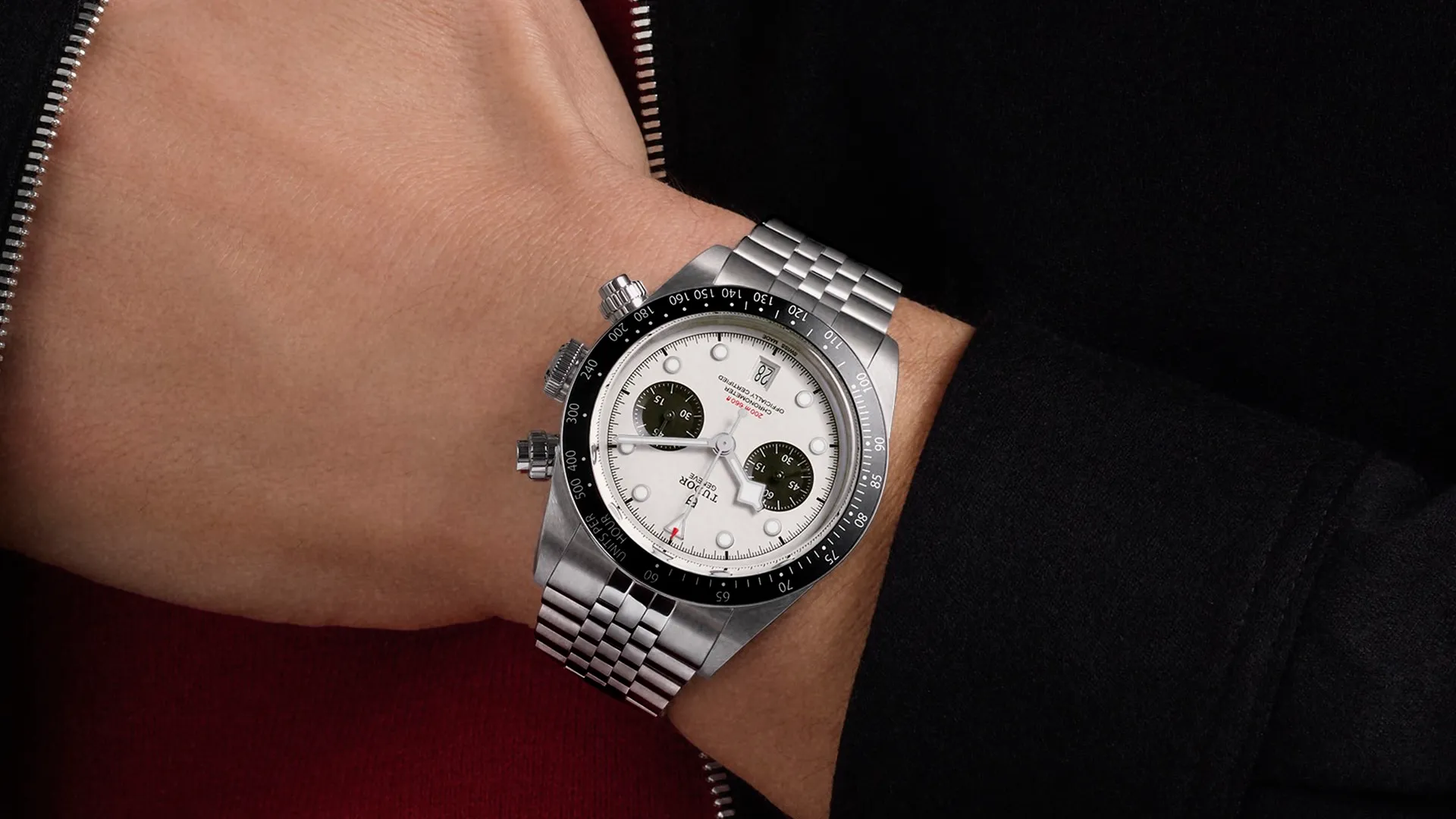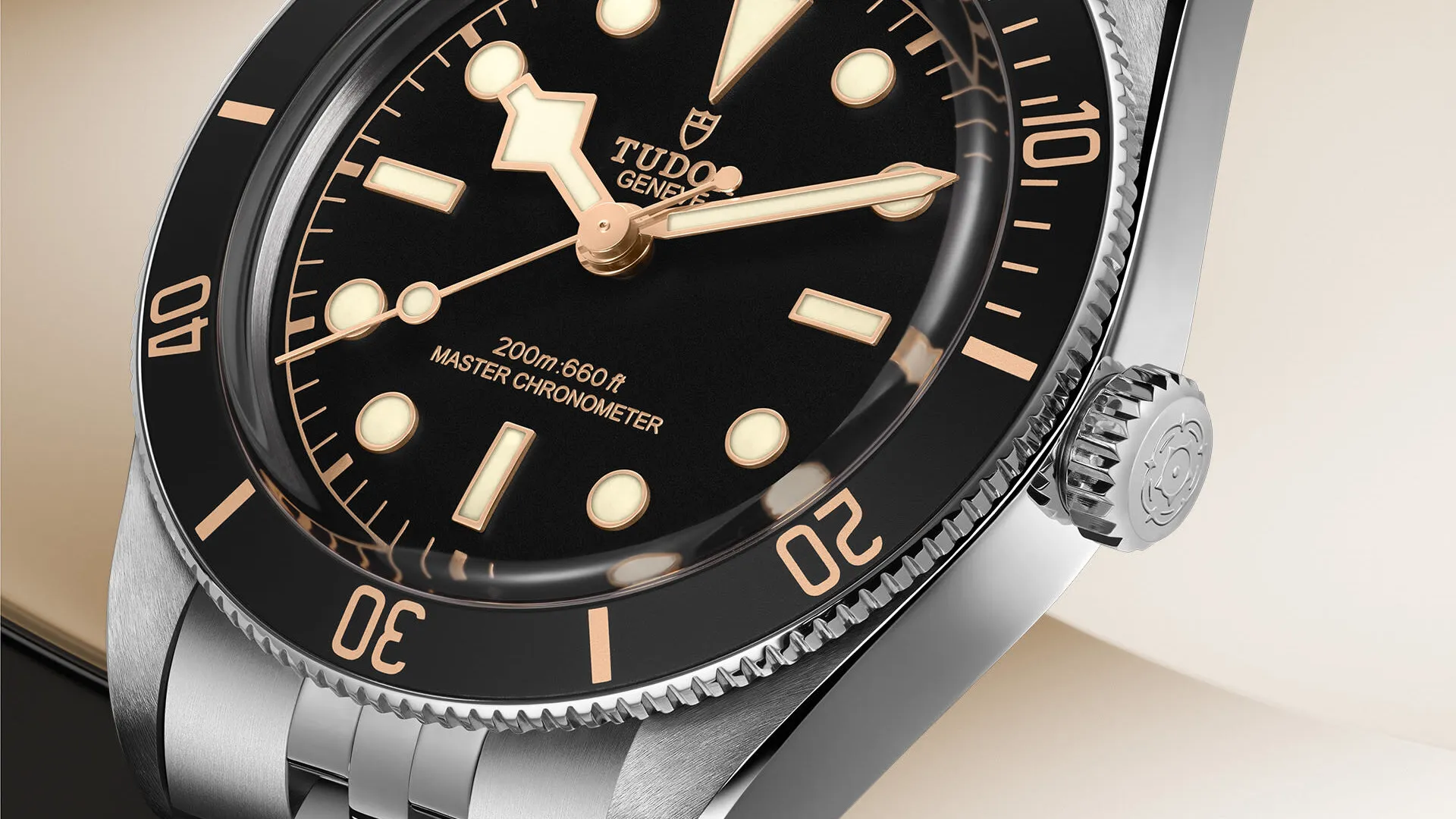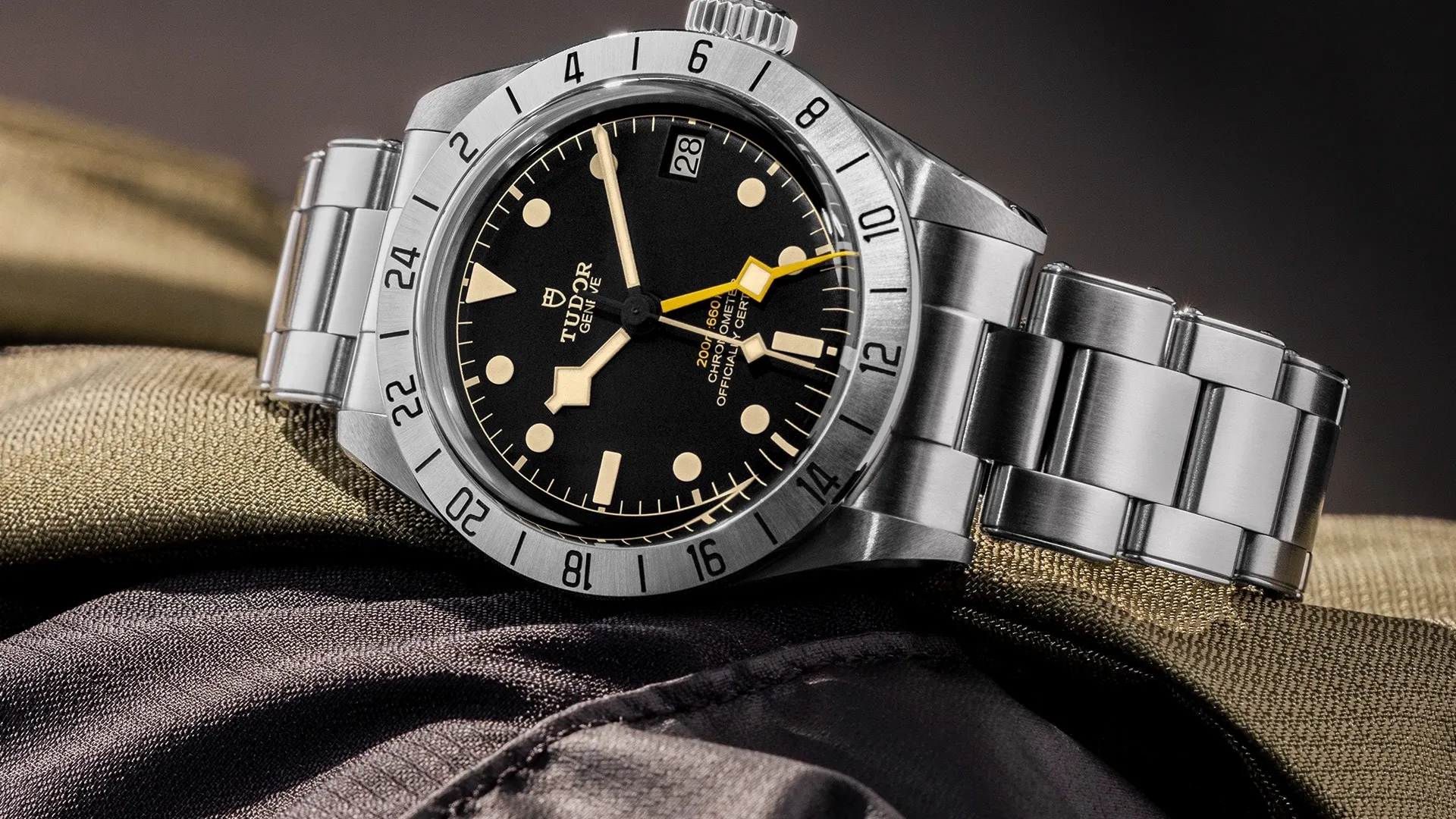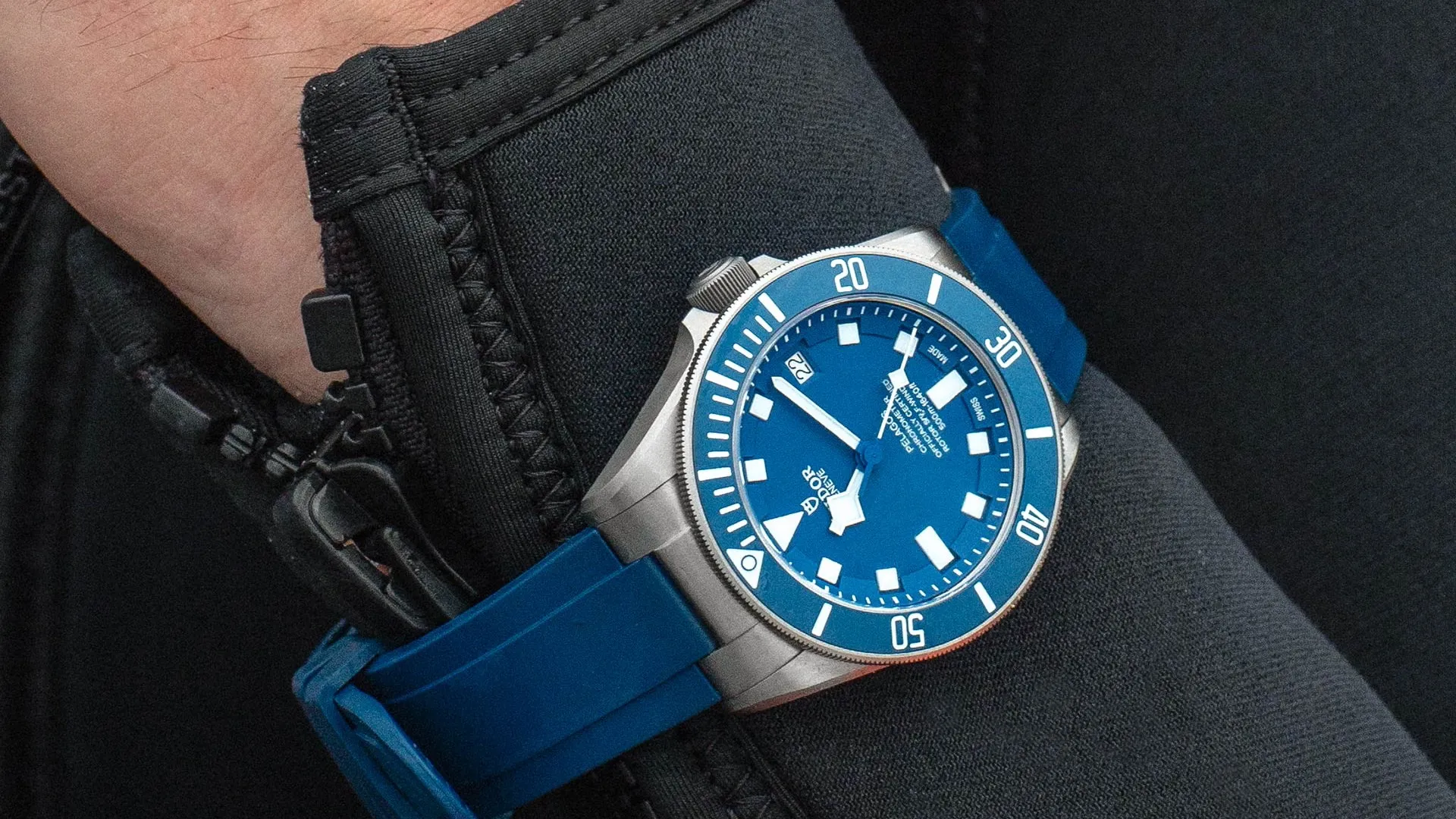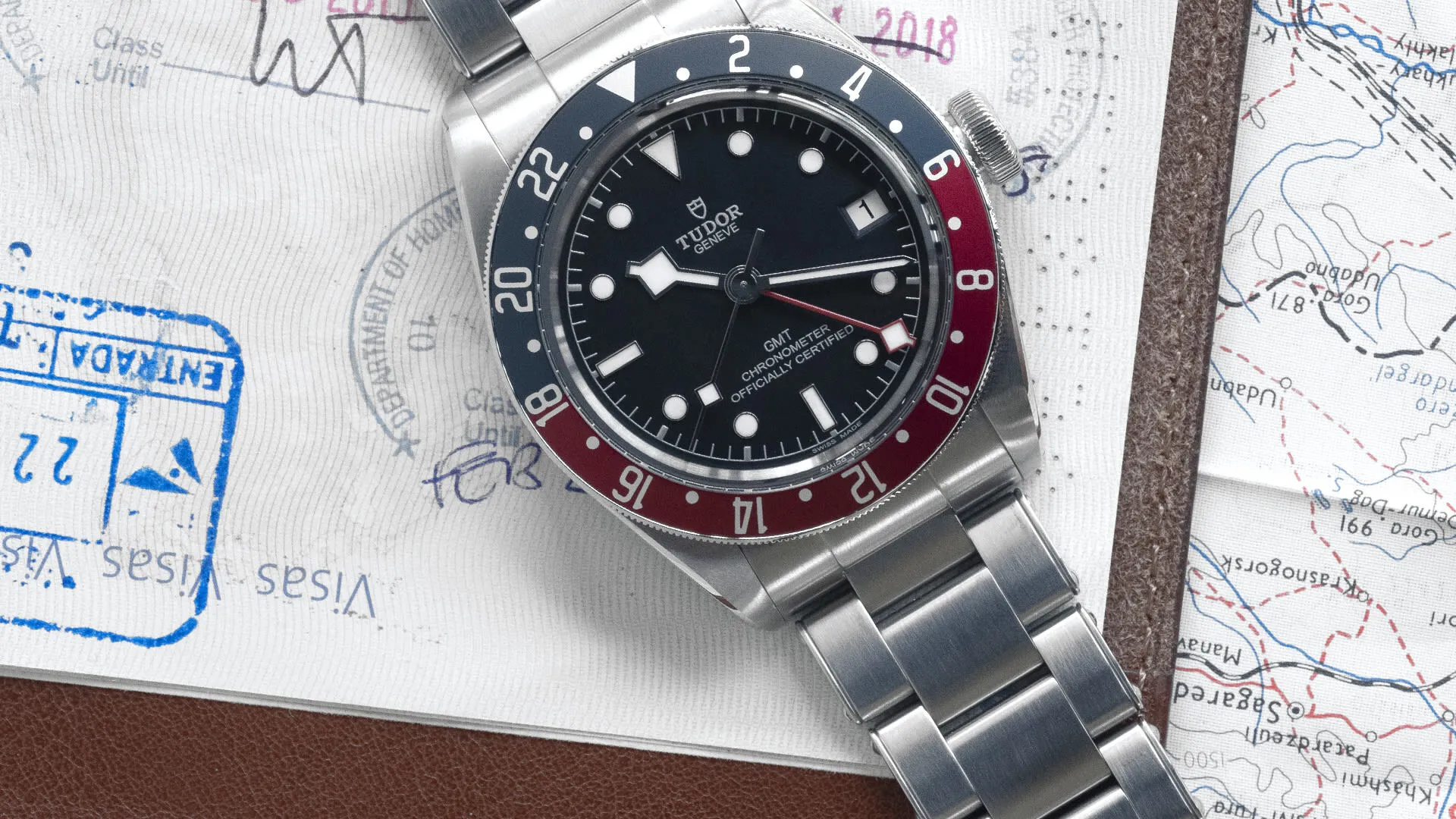
Tudor Black Bay GMT: The Jet-Age Travel Watch, Tudor's Way
Where the two-tone bezel, the snowflake hand and the riveted bracelet come from, why the hour hand jumps, and how the 39mm Black Bay 58 GMT carries the idea on.
Which watch to buy and why, from Rolex’s Submariner and Tudor’s Black Bay to Omega’s Speedmaster and the watches Bond wore, with Australian prices and where to buy them.
Where the two-tone bezel, the snowflake hand and the riveted bracelet come from, why the hour hand jumps, and how the 39mm Black Bay 58 GMT carries the idea on.
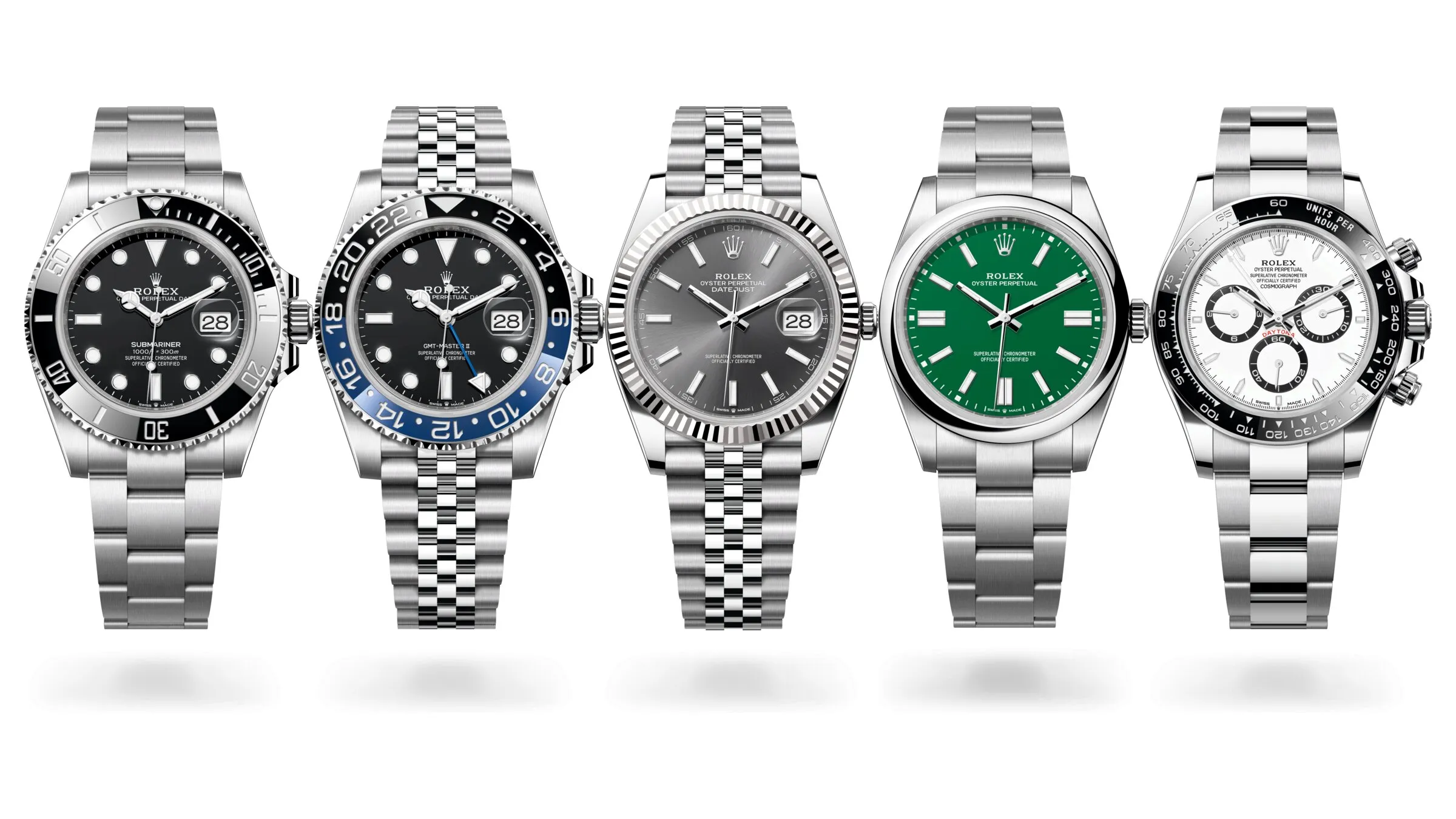
Every current Rolex sports and everyday family, from the $10,300 Oyster Perpetual to the Yacht-Master II: the job each was built for, what it costs in Australia, and the Tudor that does the same job for less.
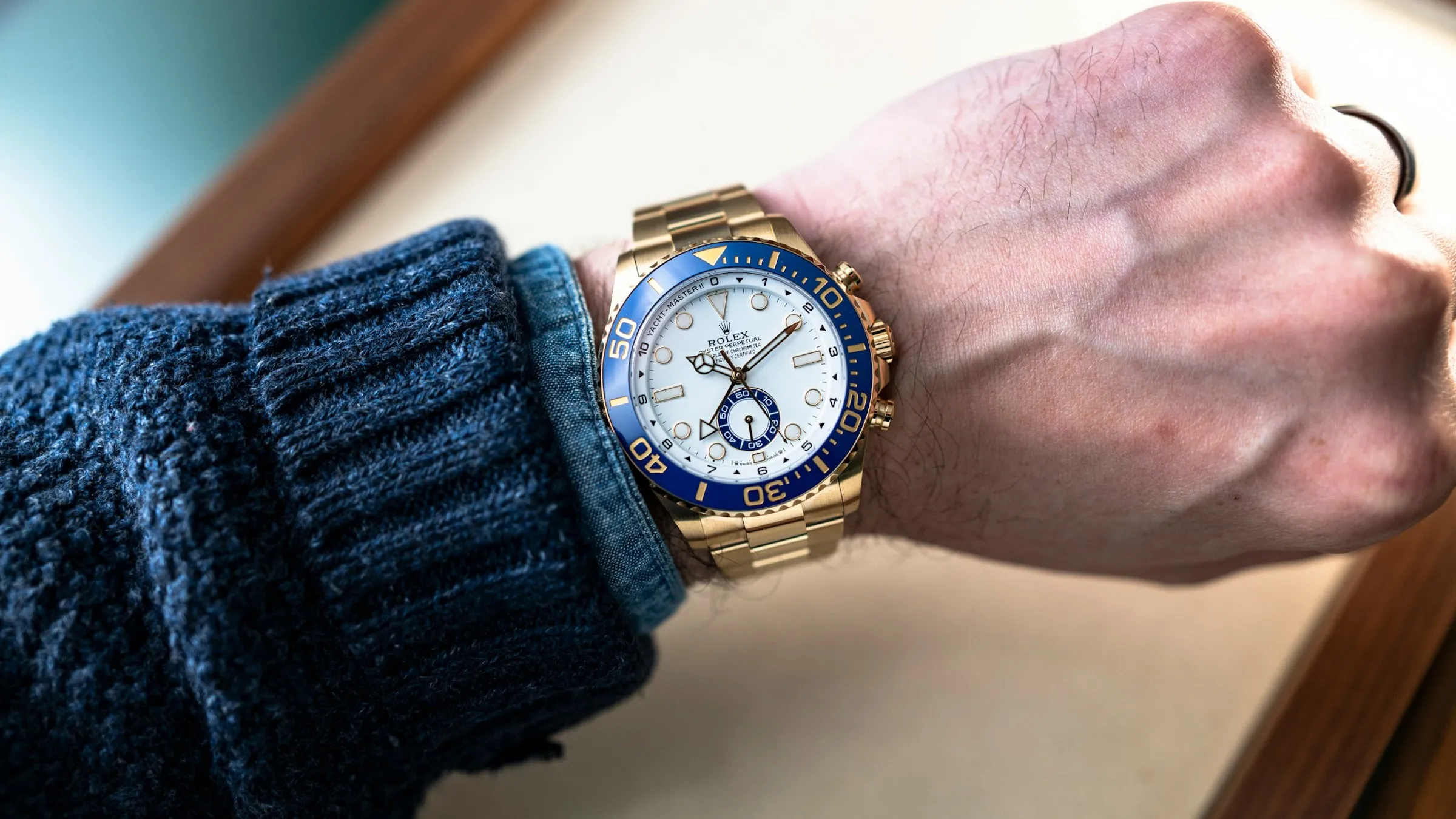
How a regatta countdown works, why Rolex moved it from the Ring Command bezel to the pushers in 2026, and what the steel and gold models cost in Australia.
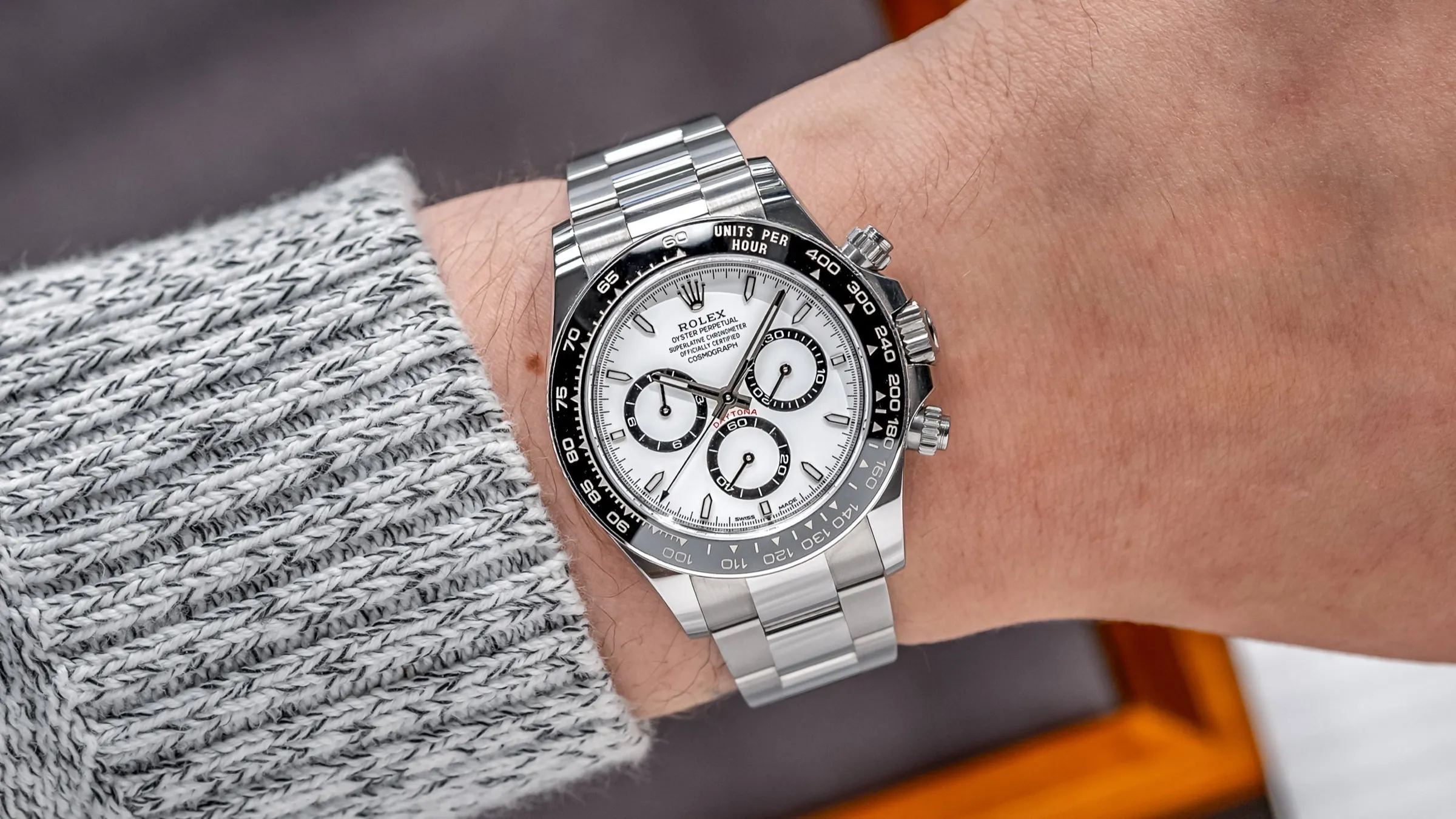
The Daytona's story as Rolex tells it, from the 1963 Cosmograph to the 2026 Rolesium model, why it has screw-down pushers and a speed scale on the bezel, and the Australian range from $28,200.
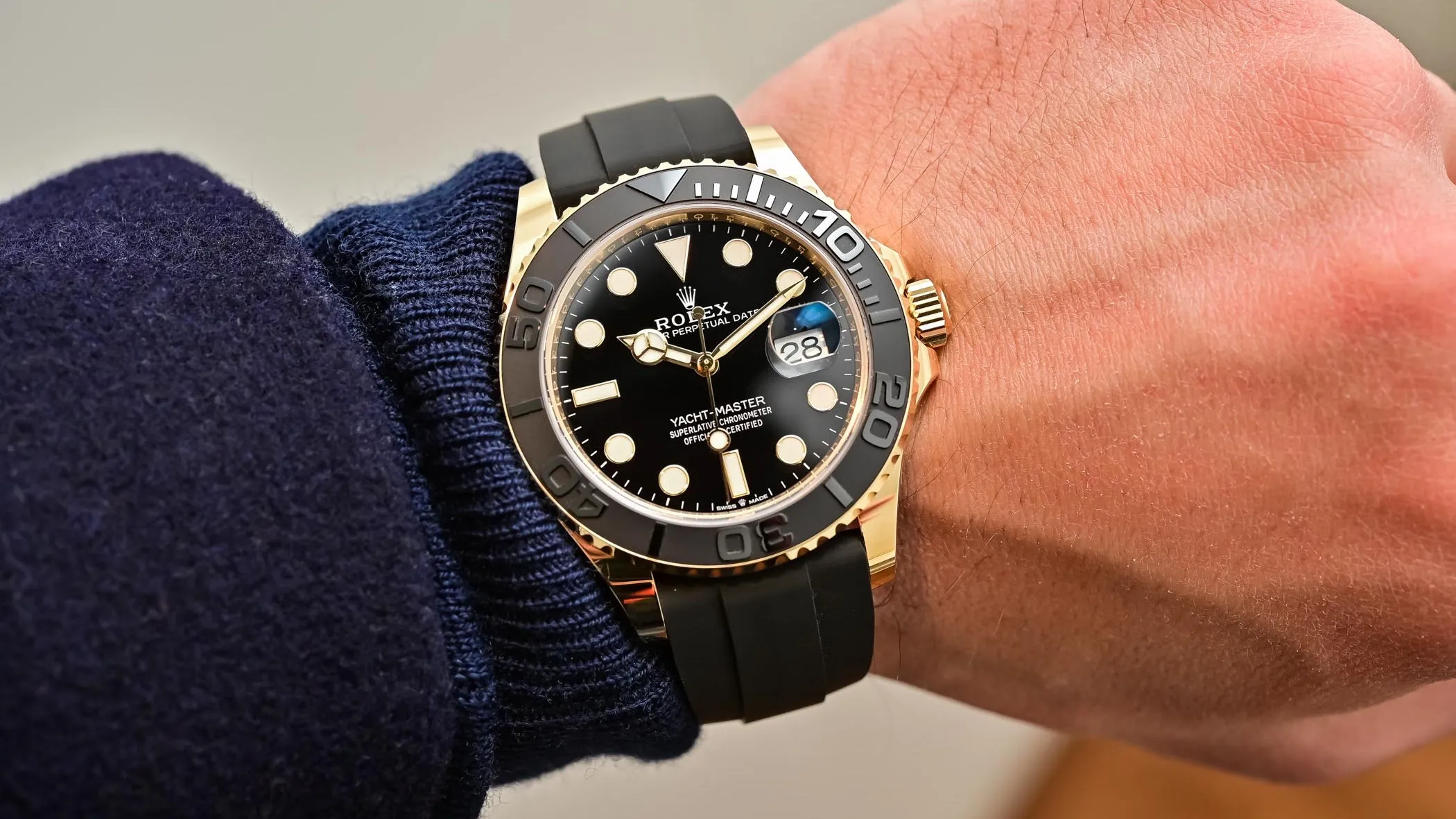
Where Rolex's sailing ties began, why the Yacht-Master's bezel has raised numerals, why no version is plain steel, and what the 37, 40 and 42 cost in Australia.
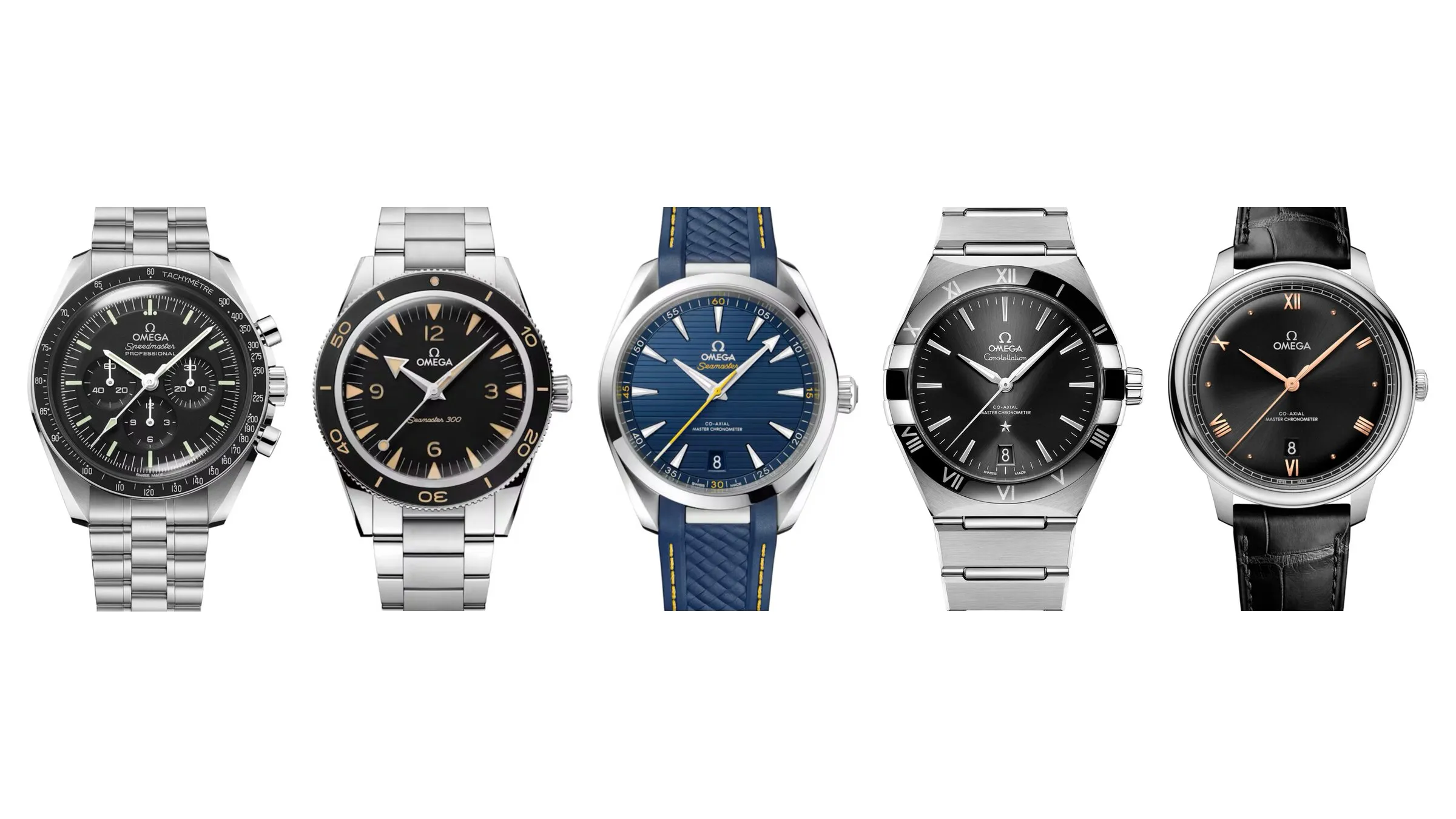
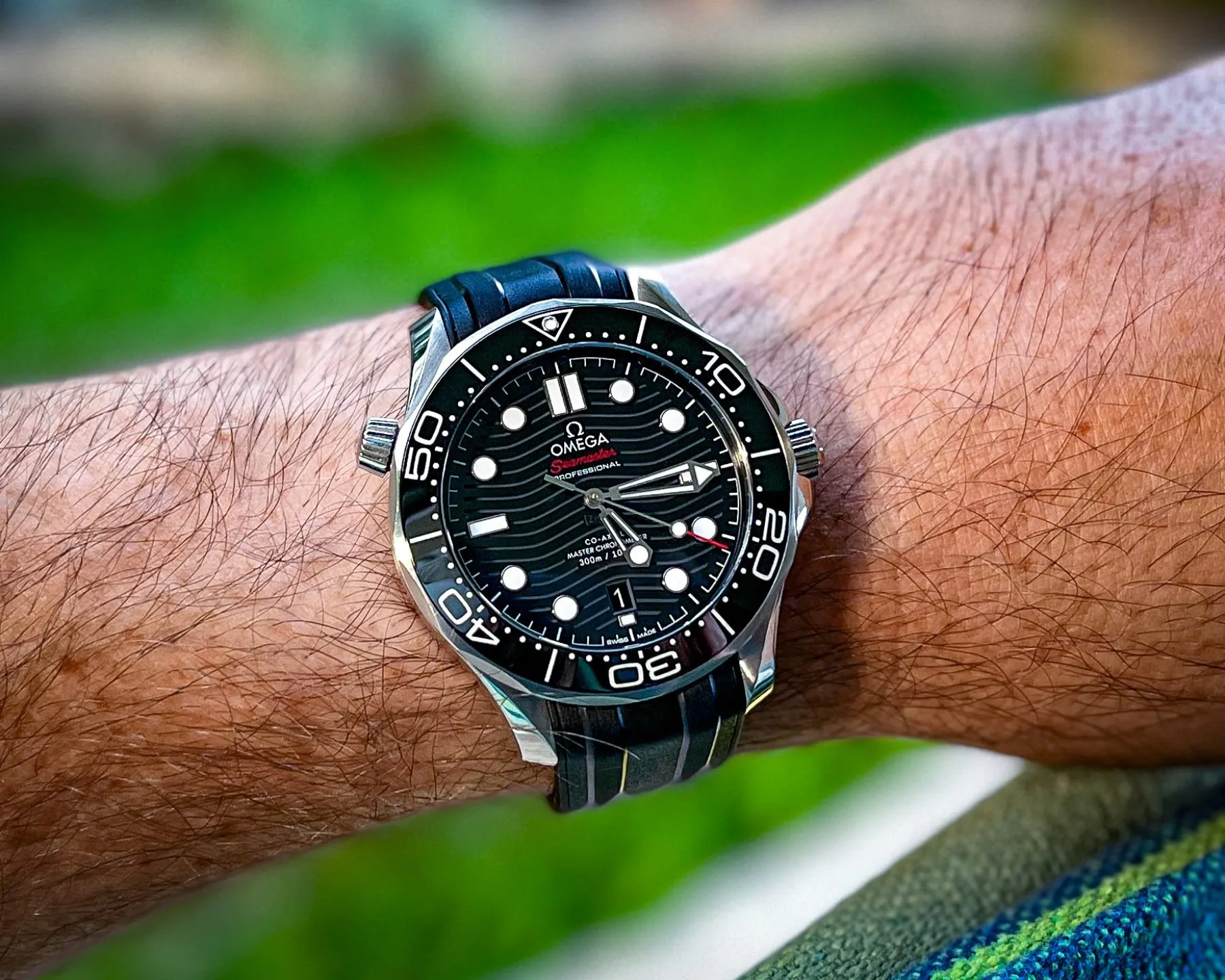
Every current Omega family, from the $8,100 De Ville Prestige to the Planet Ocean: where each one comes from, who it suits, what it costs in Australia and the Rolex it competes with.
How an English watchmaker's escapement reached Omega in 1999, what it changes inside the watch, and what METAS actually tests before a watch can be called a Master Chronometer.
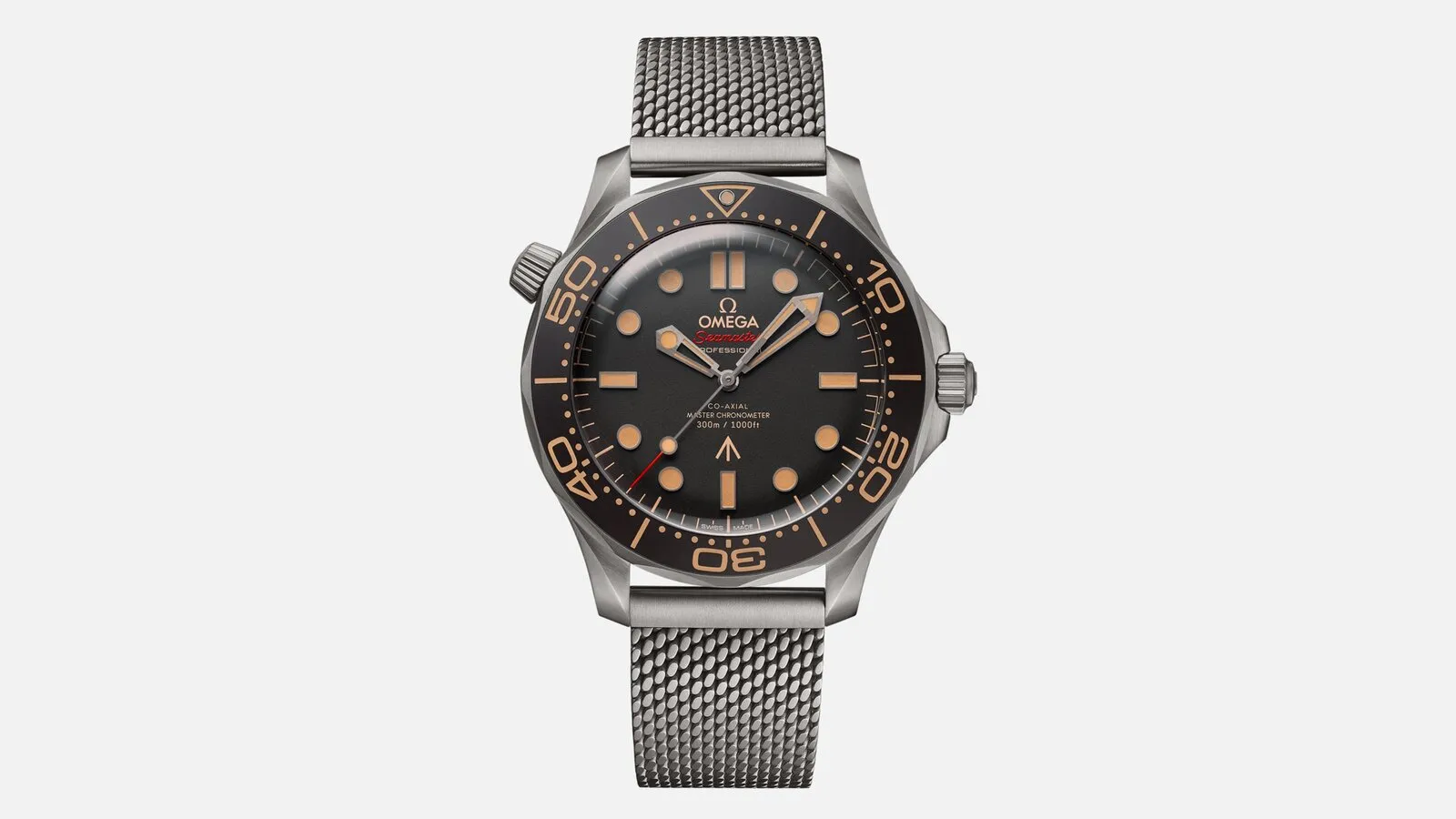
From Connery's Rolex to Craig's titanium Seamaster, the watches Bond has worn in each era, and what Omega's current 007 models cost in Australia.
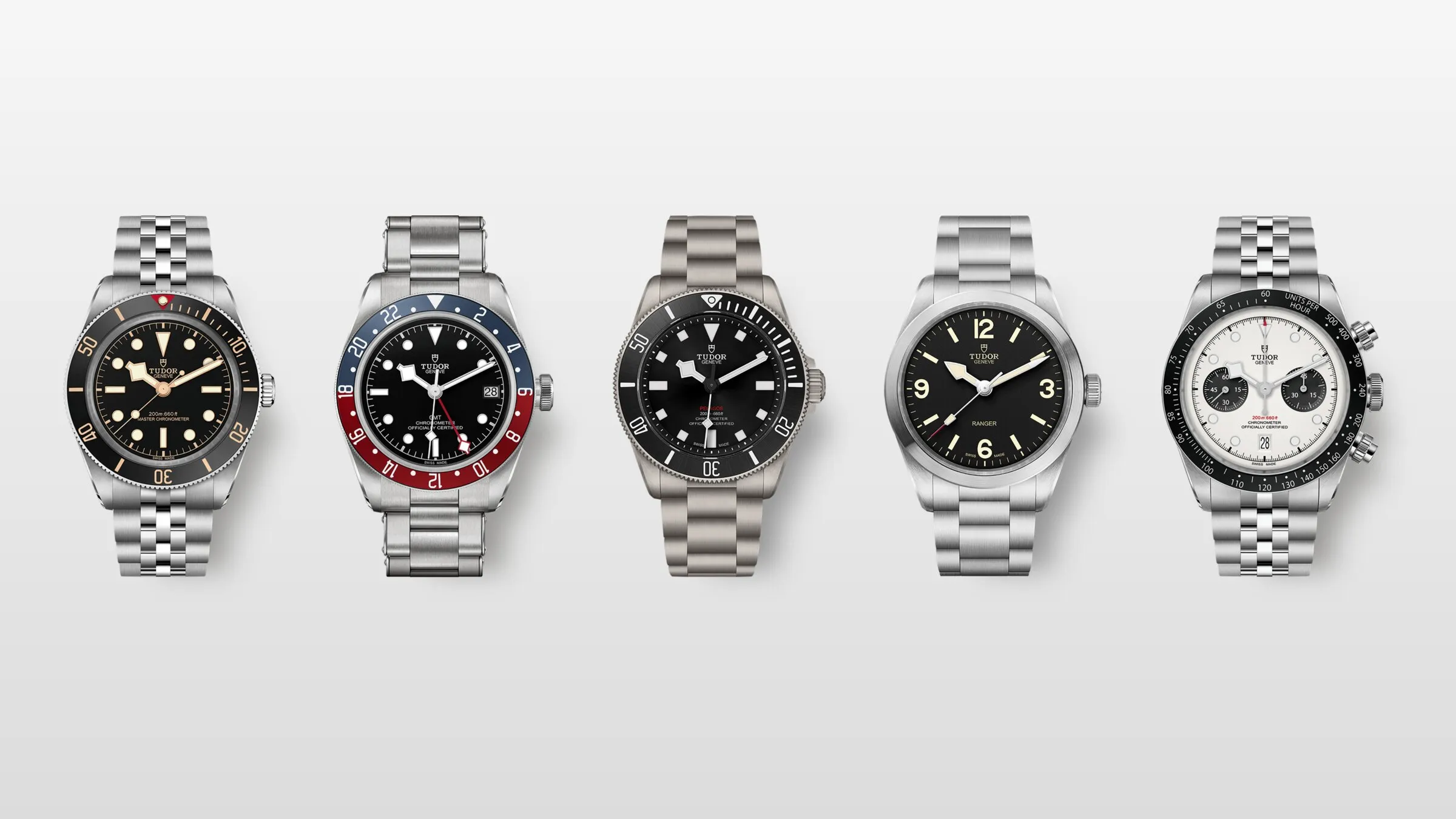
Every current Tudor family, from the Black Bay 58 and Pelagos to the Ranger, Royal and 1926: where each one comes from, what sets it apart, and what it costs in Australia.
From the 1970 "Home Plate" and the roulette-wheel "Montecarlo" to the Breitling-based movement and the new 39mm model: where each detail comes from, and how it compares with a Daytona and a Speedmaster.
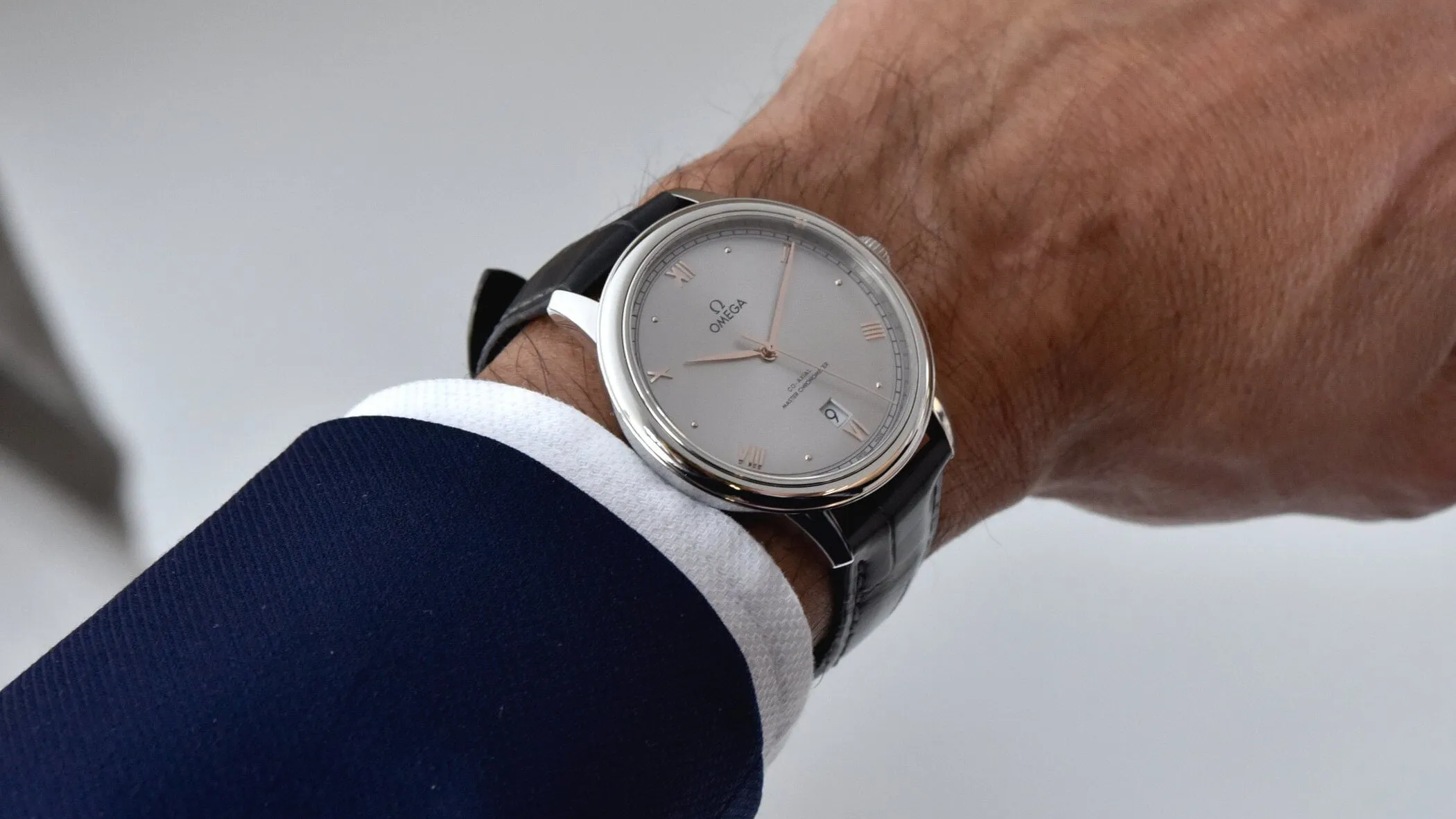
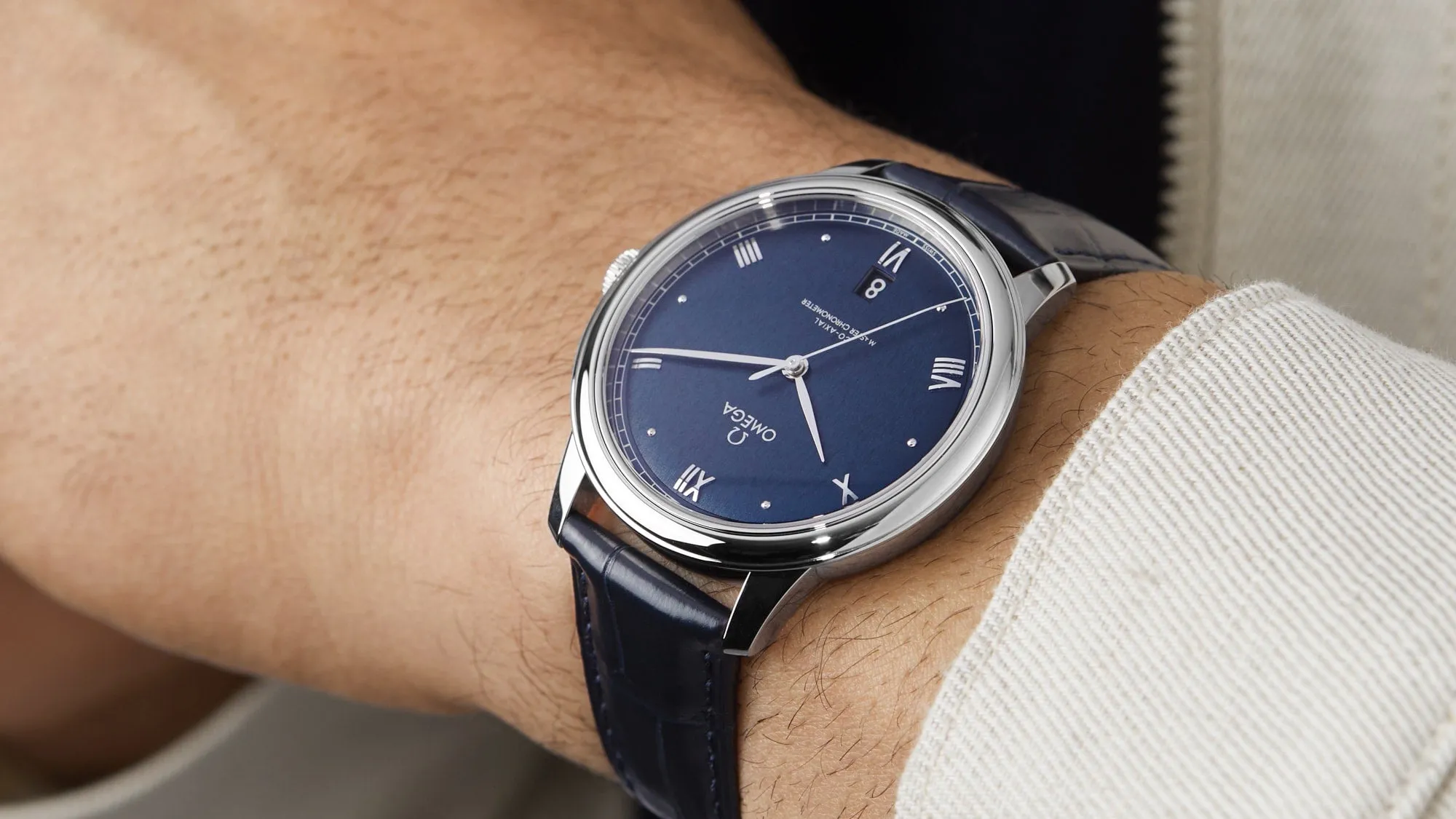
Why the De Ville split from the Seamaster in 1967, how the Co-Axial escapement reached it in 1999, and how the 40mm and 41mm Prestige compare from $8,100.
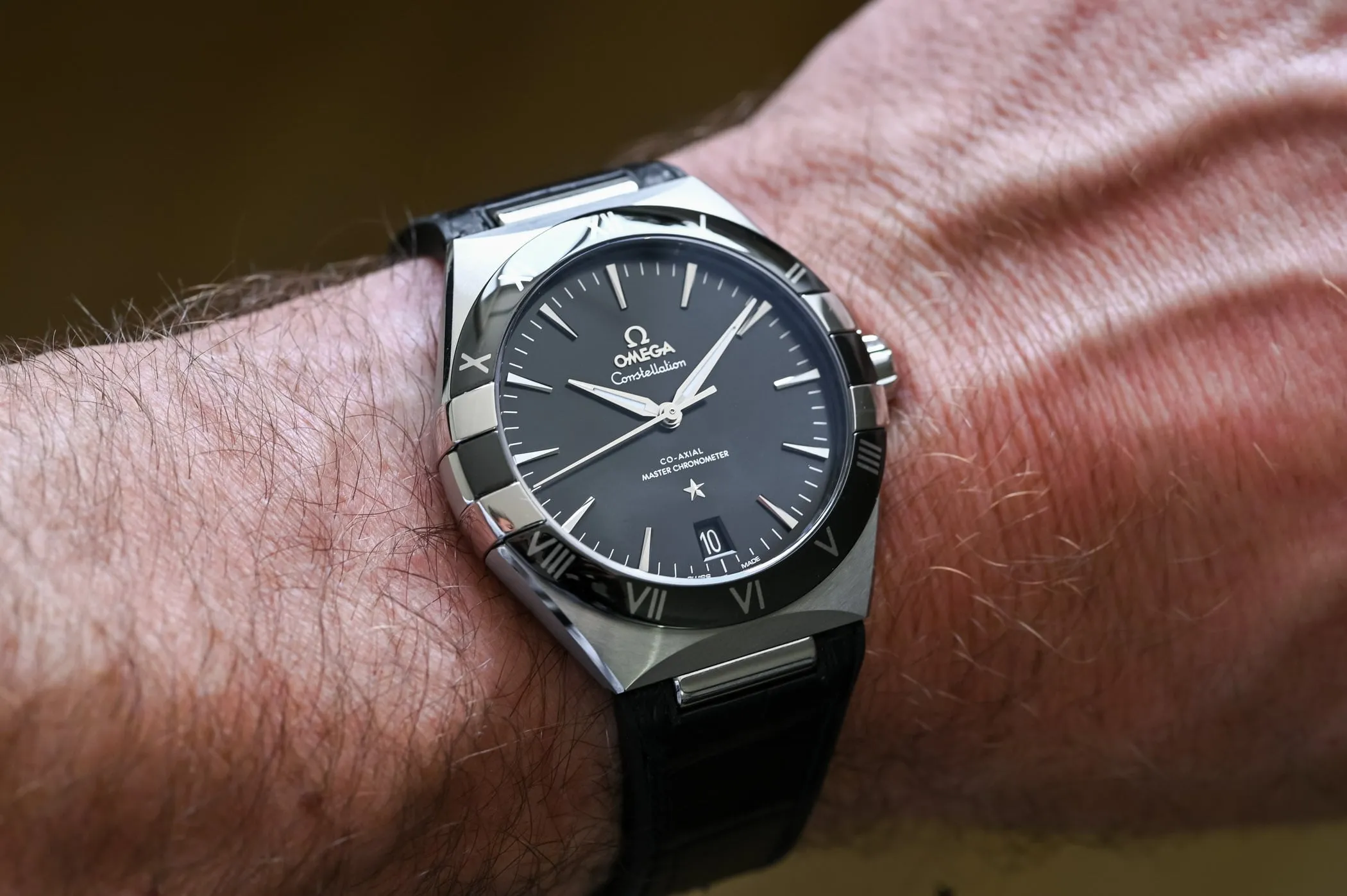
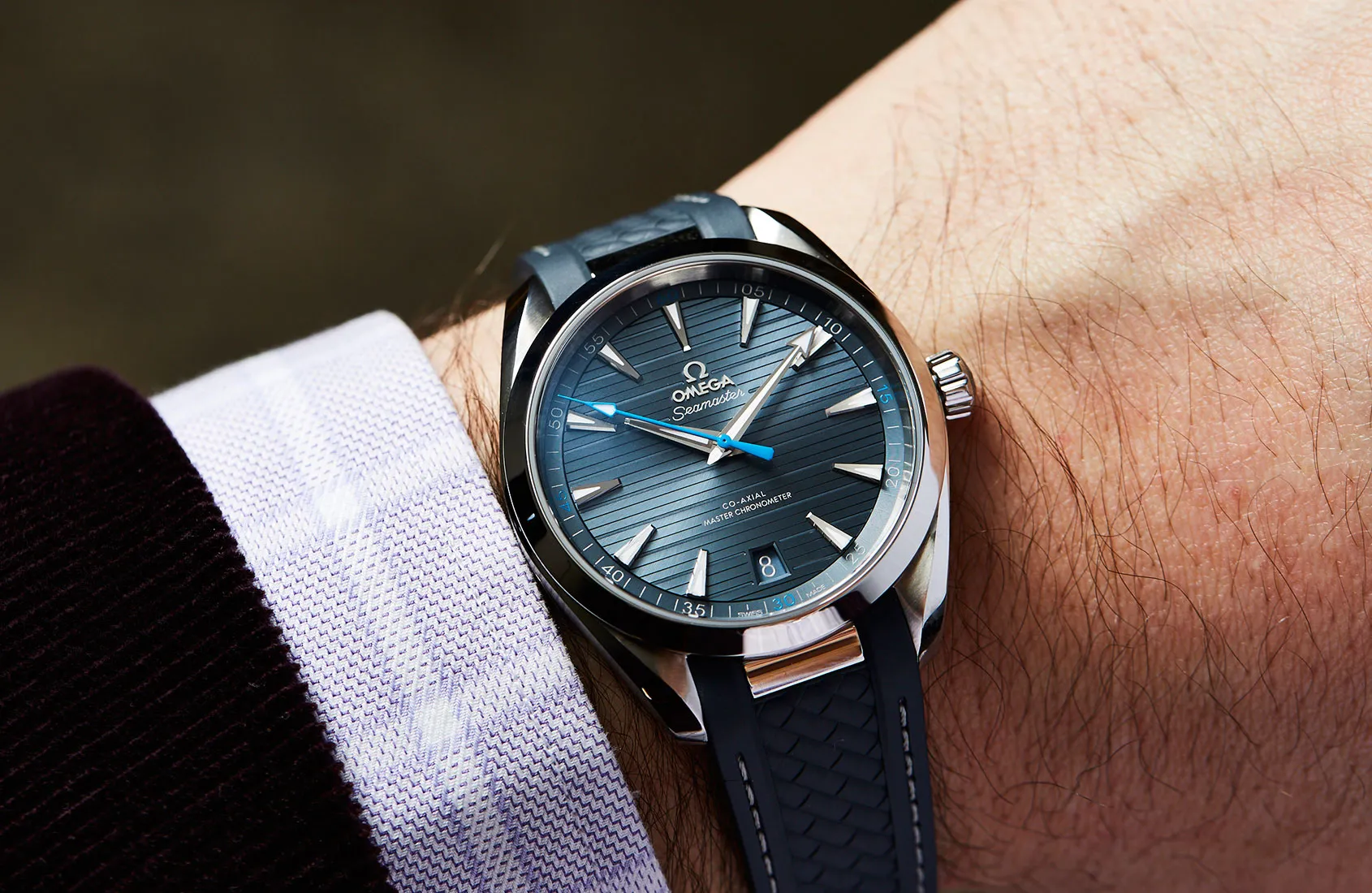
Where the eight stars, the pie-pan dial and the claws come from, what the movement adds, and how the 41mm and 39mm models compare with the Aqua Terra from $11,350.
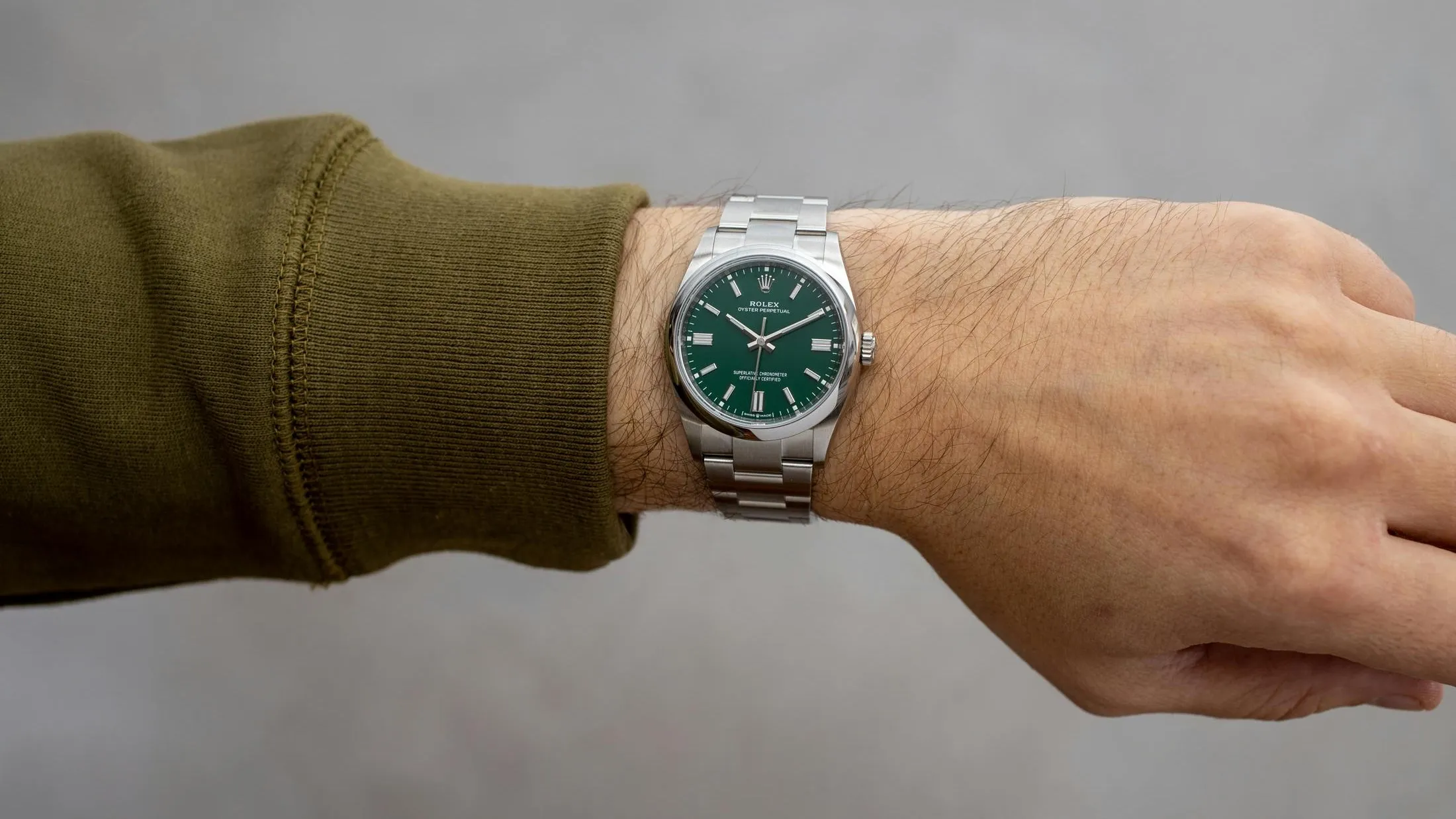
From the 1926 Oyster case to the centenary slate dial: every size with Australian prices, and when the Datejust or Explorer is the better buy.
From the 1958 Big Crown to the thinner, Master Chronometer edition of 2026: where each detail comes from, how it compares with the Black Bay 54 and 41, and what it costs in Australia.
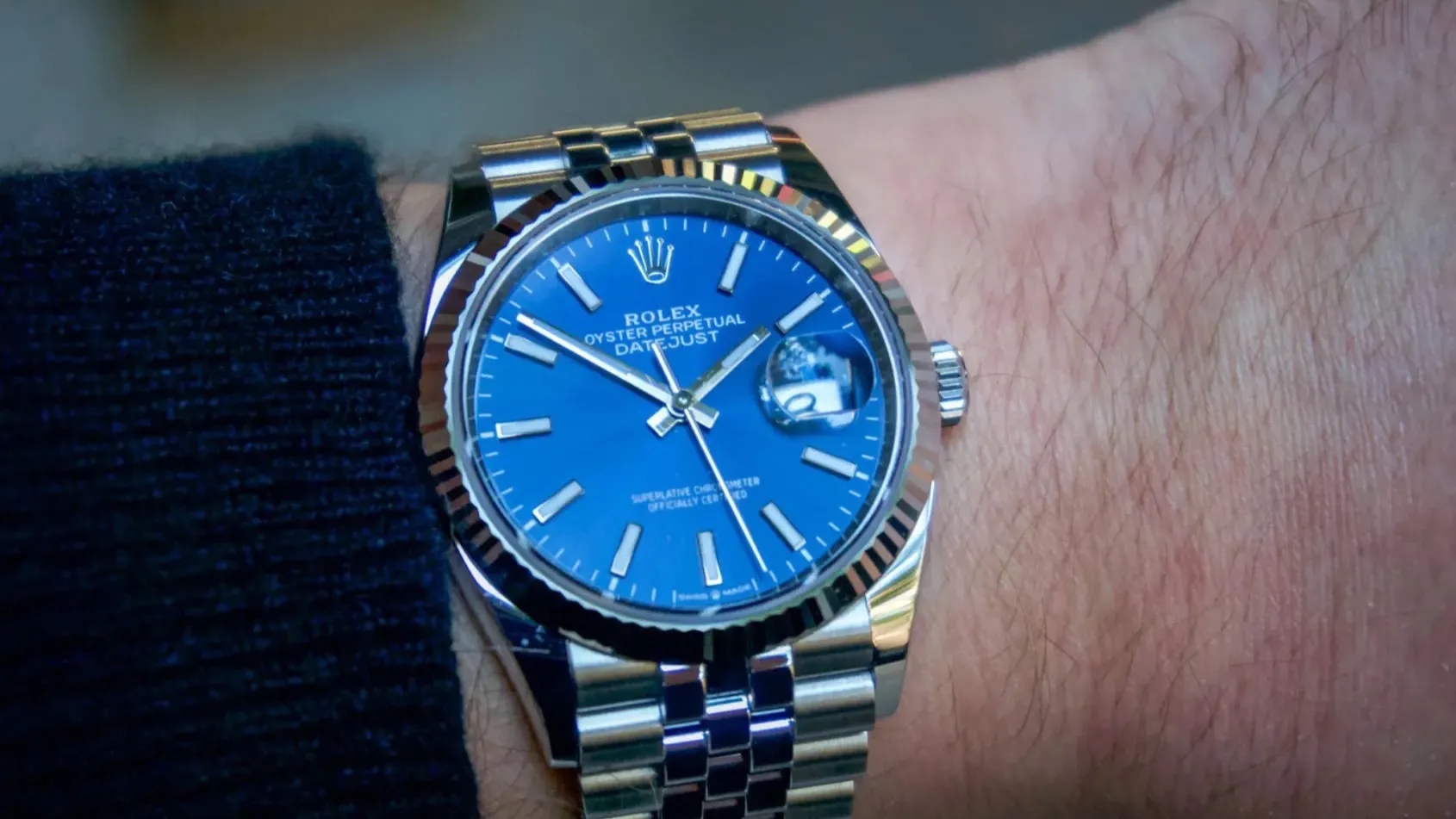
Why the Datejust has a magnified date, a fluted bezel and a five-link bracelet, and which of the 36 and 41 mm models Rolex sells in Australia is worth buying.
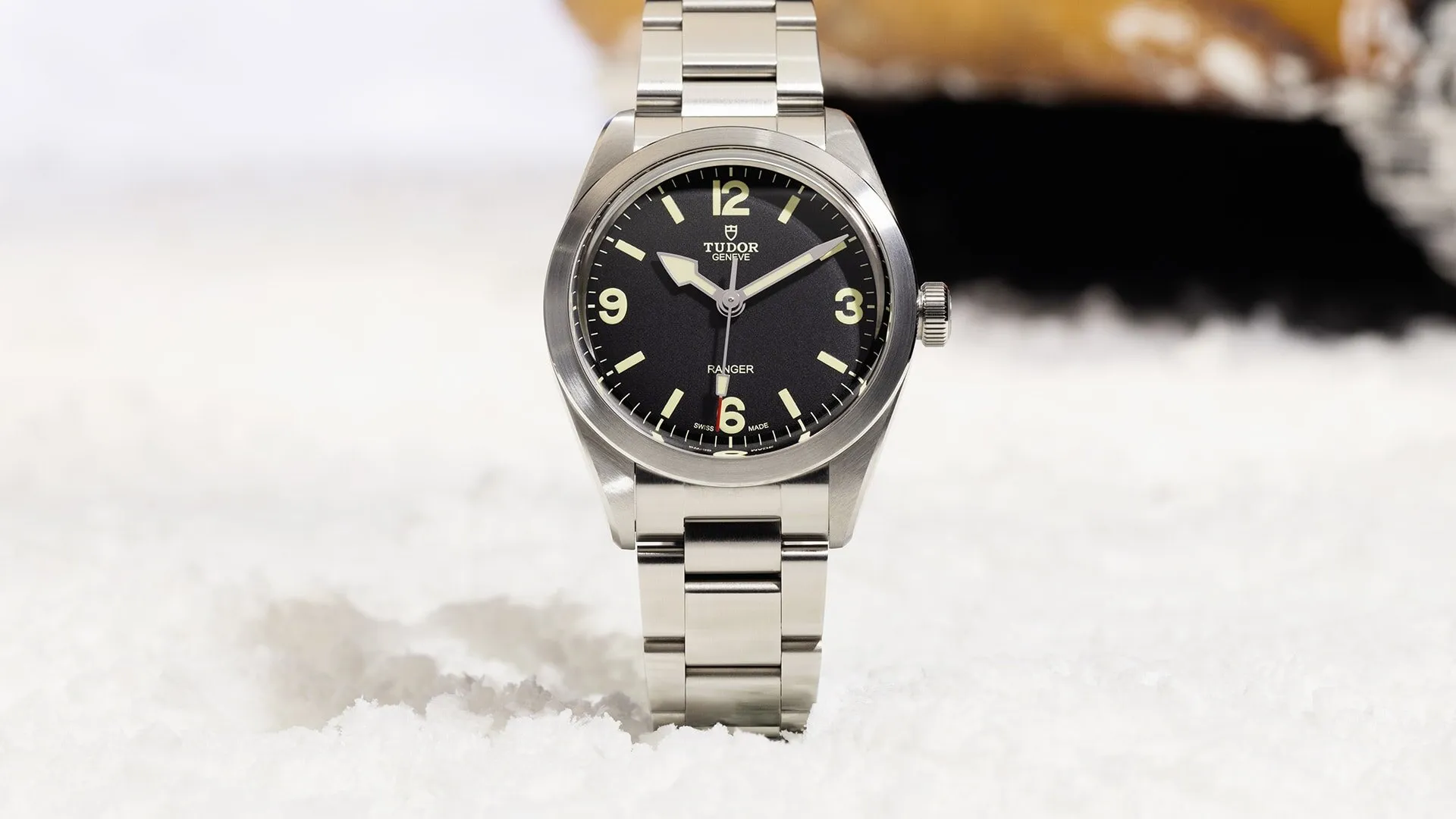
From a name registered in 1929 to today's Ranger 39 and 36: how Tudor's field watch got its numerals, its arrow hand and its own movement, and what it costs now.
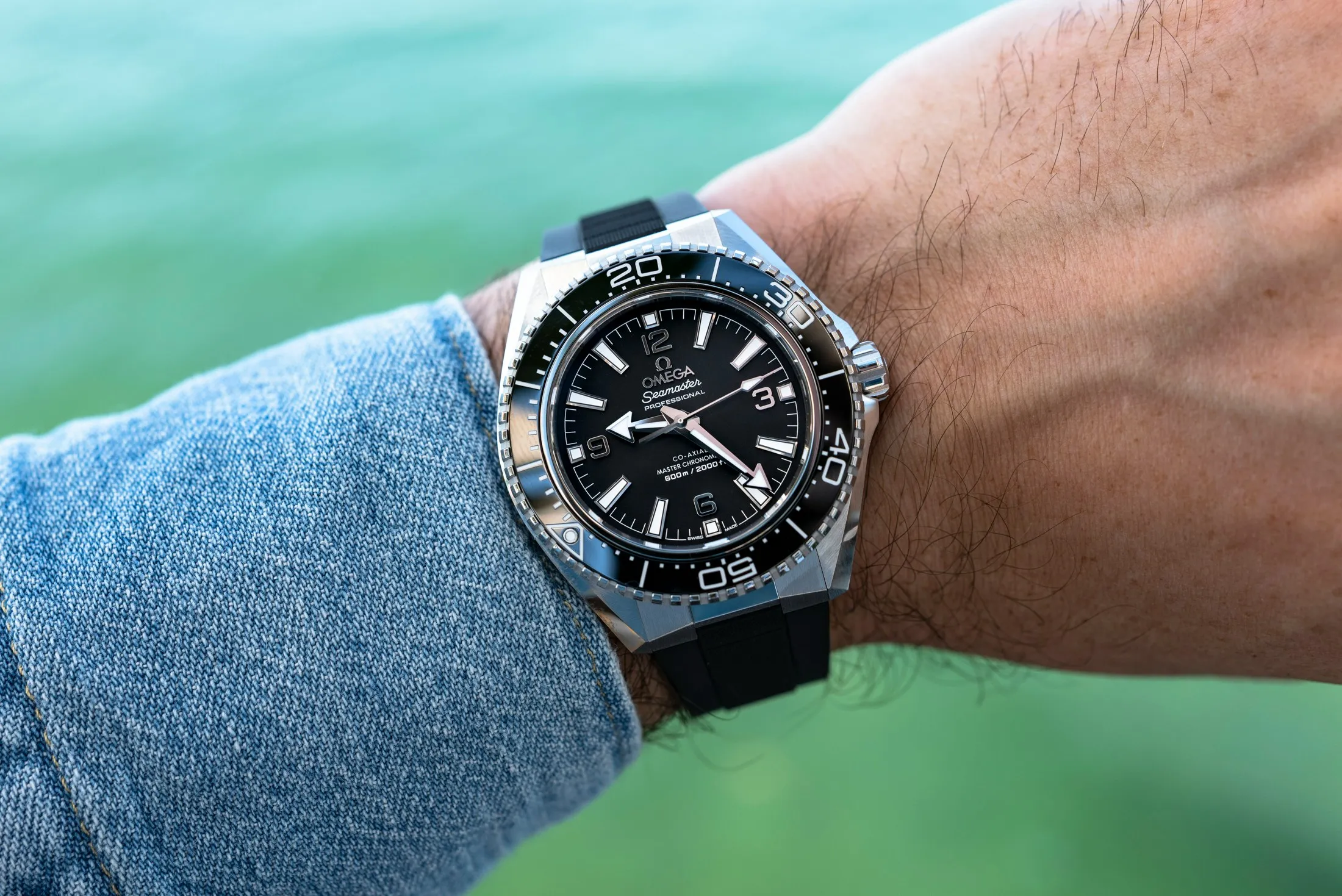
How a 1957 dive watch shaped the 2005 Planet Ocean, how an Ultra Deep reached the bottom of the Mariana Trench, and how the 42mm Planet Ocean 600M compares with the Diver 300M from $13,575.
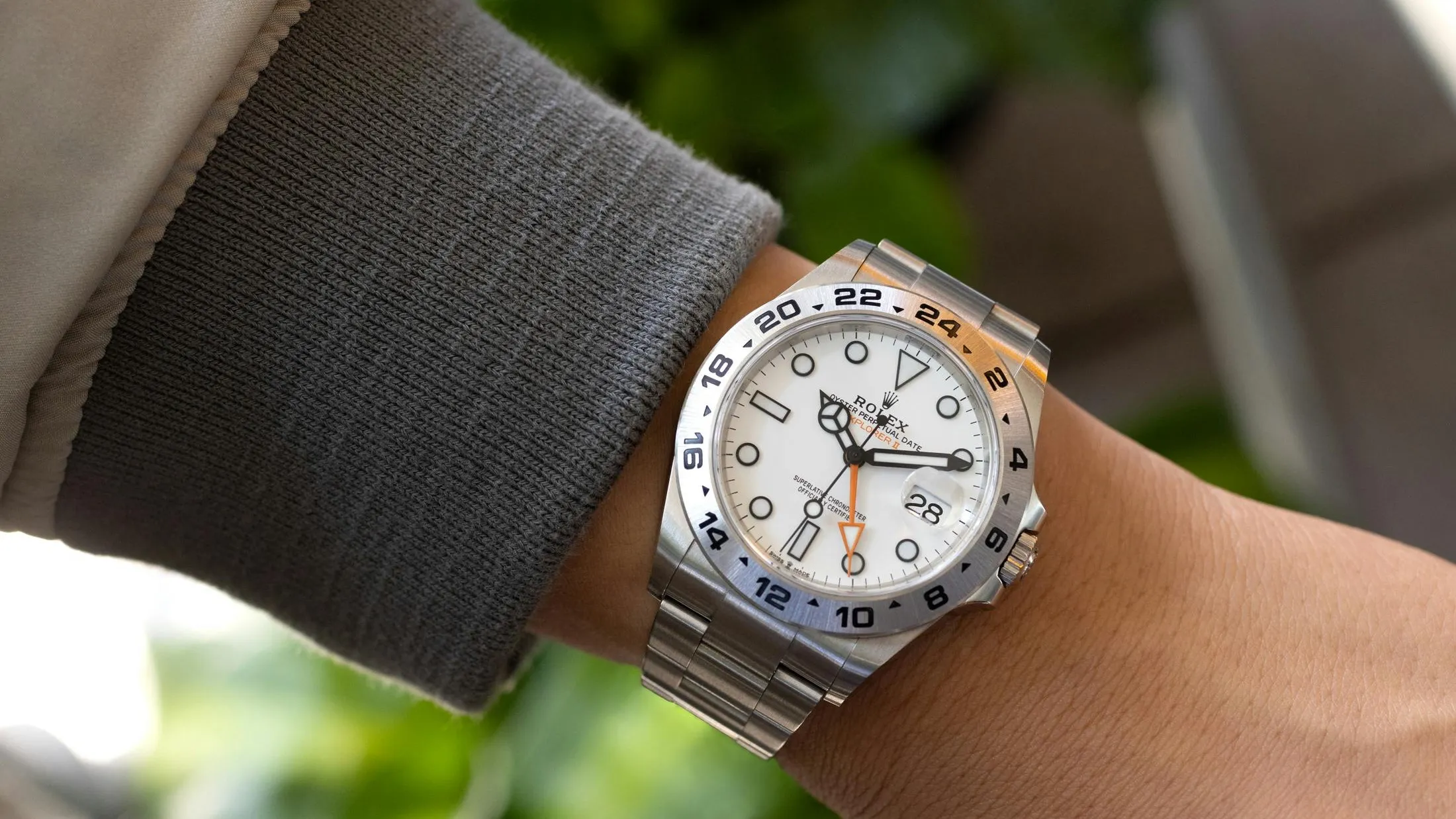
Why a watch for caves and polar summers needs a 24-hour hand, how the Pro turns the Black Bay GMT into a plainer tool watch, and how it compares with the Explorer II.
Why Rolex gave a watch for cavers and polar expeditions an orange 24-hour hand, how its second time zone differs from the GMT-Master II's, and what the 42mm 226570 costs in Australia.
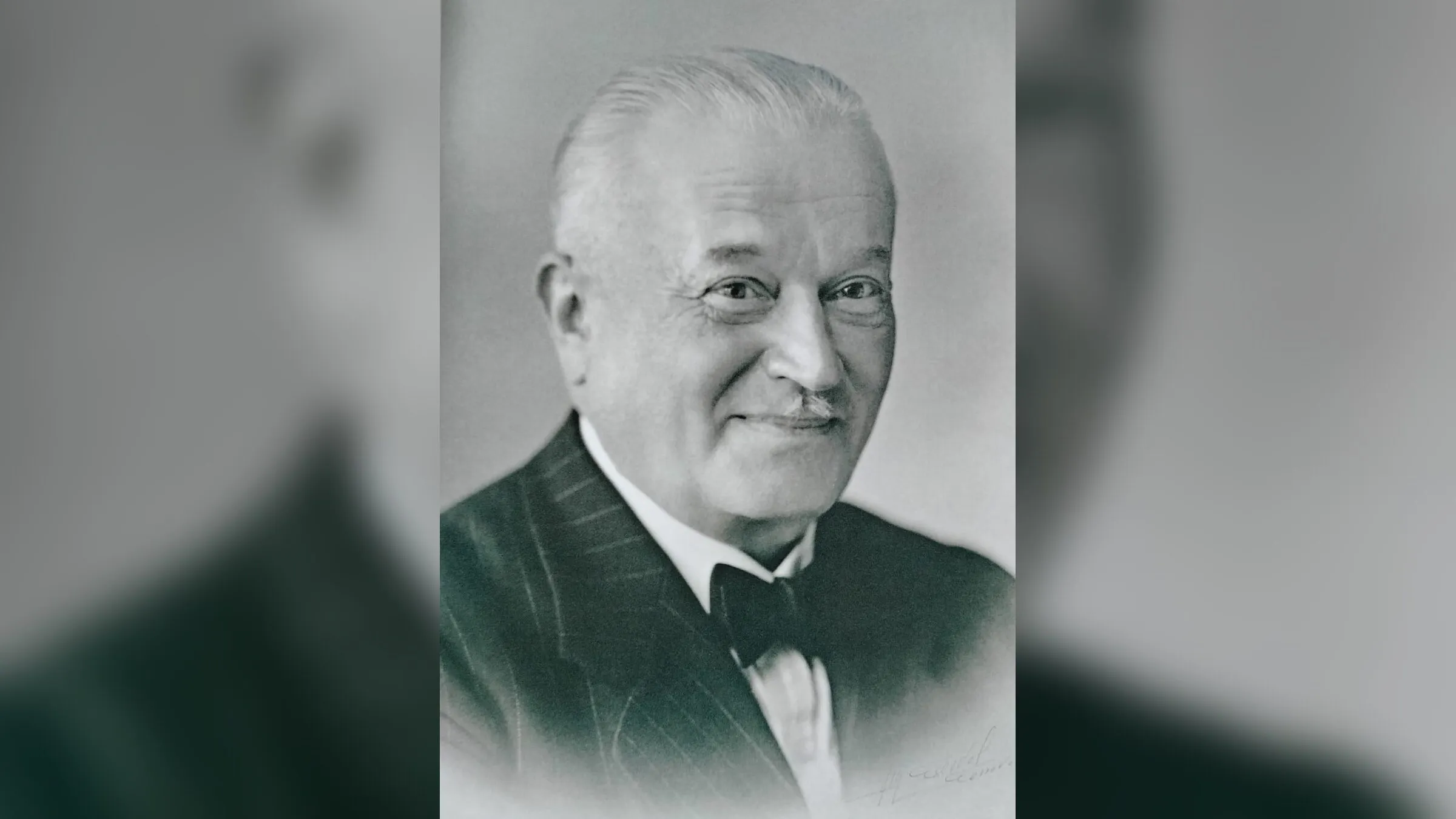
From a London office in 1905 to the Oyster, Tudor and a charitable foundation that still owns Rolex: the story of the man behind the crown, and which parts of it are legend.
Why it has broad arrow hands and a star on the crown, where Cousteau's divers come in, and what the 41mm steel model with Calibre 8912 costs in Australia.
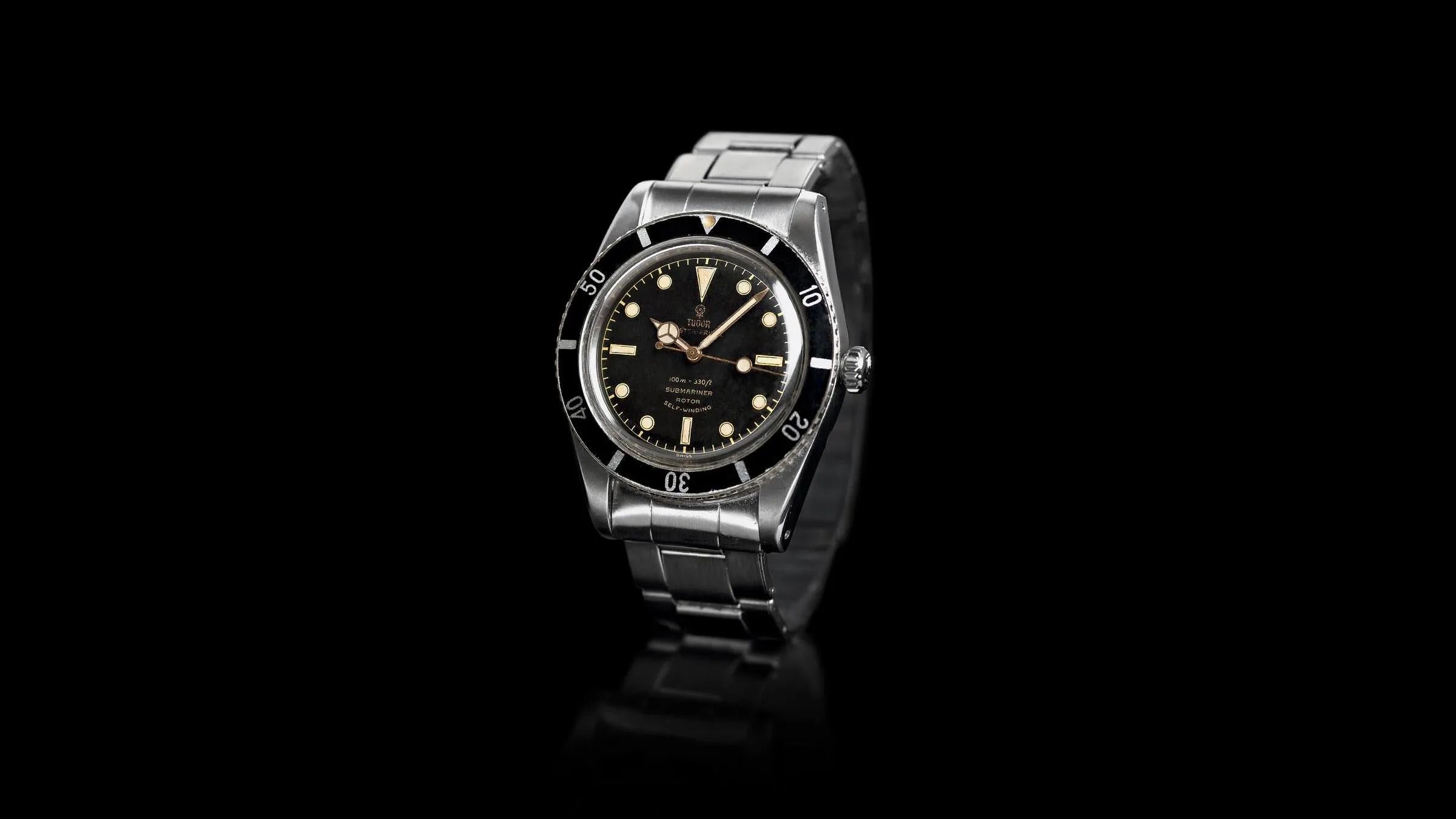
From the 7922 of 1954 to the last Submariner of the 1990s: what Tudor shared with Rolex, how the French Navy shaped the line, and which Black Bay keeps the original's shape today.
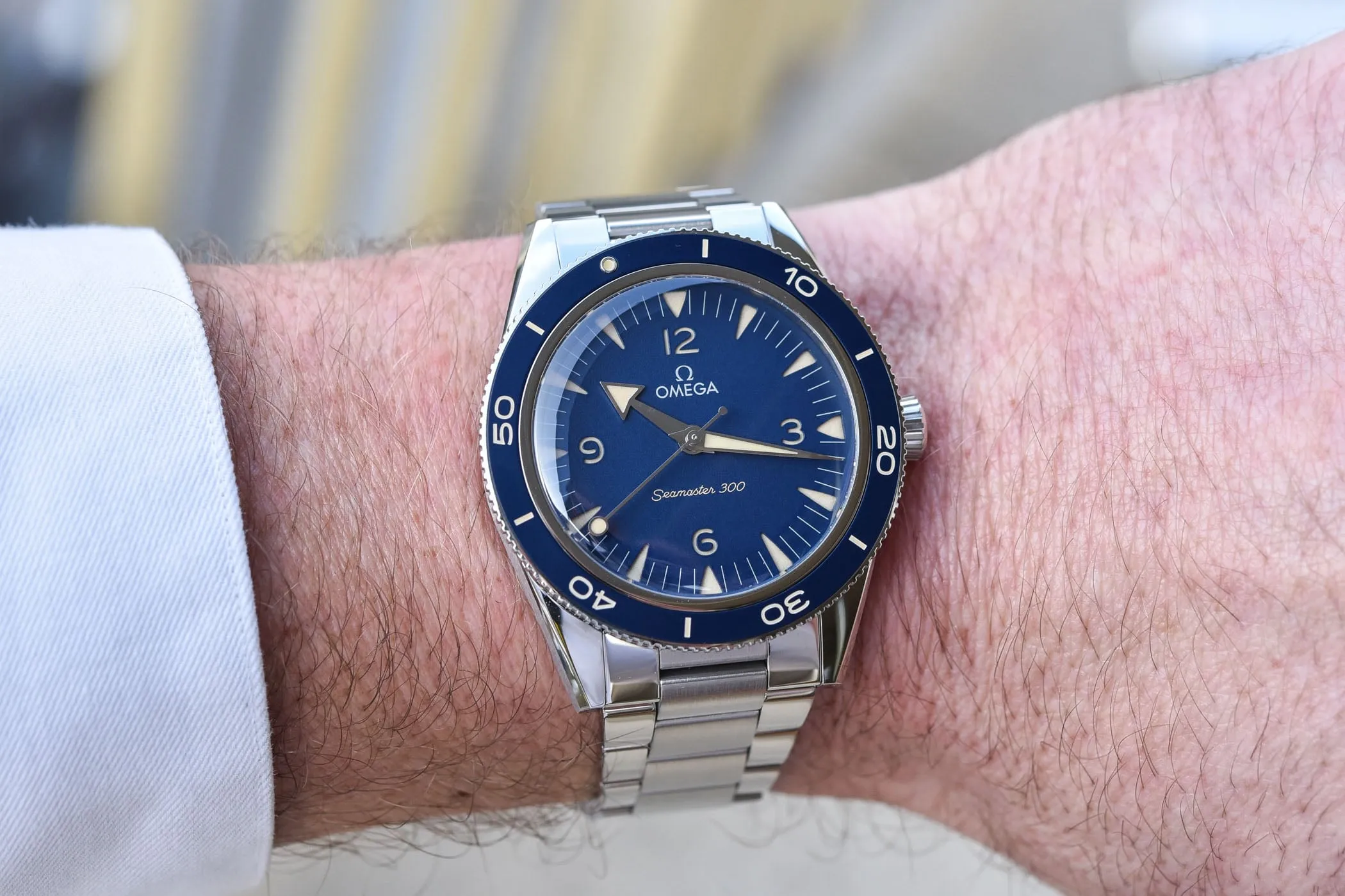
How the 1948 Seamaster led to Omega's everyday watch, why the dial has a teak pattern and no dive bezel, and which size and strap to buy in Australia.
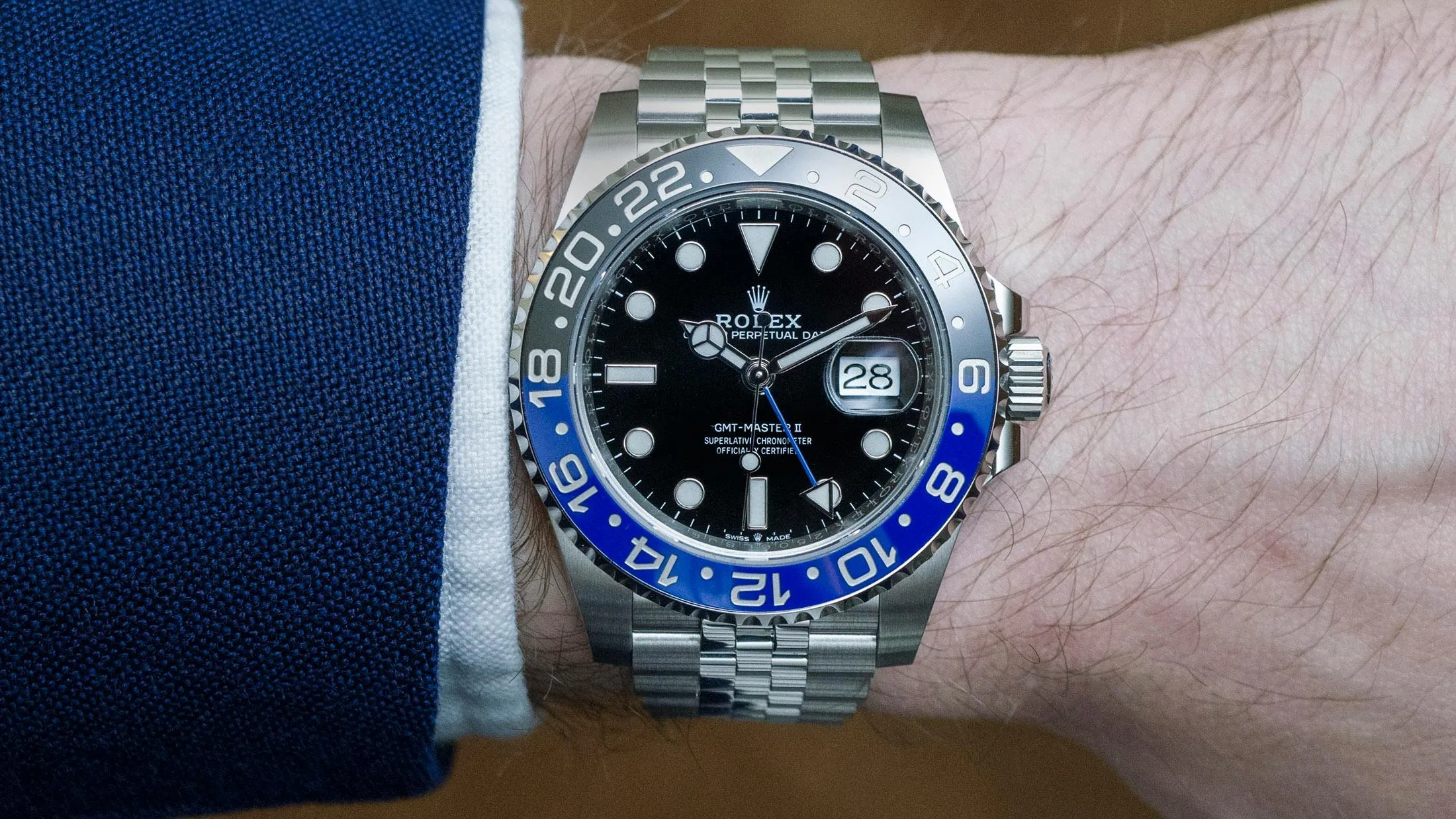
Where the 24-hour hand, the jumping hour hand, the ceramic bezel and the left-handed model come from, plus the Australian range from $19,700 and the Tudor that costs $7,430.
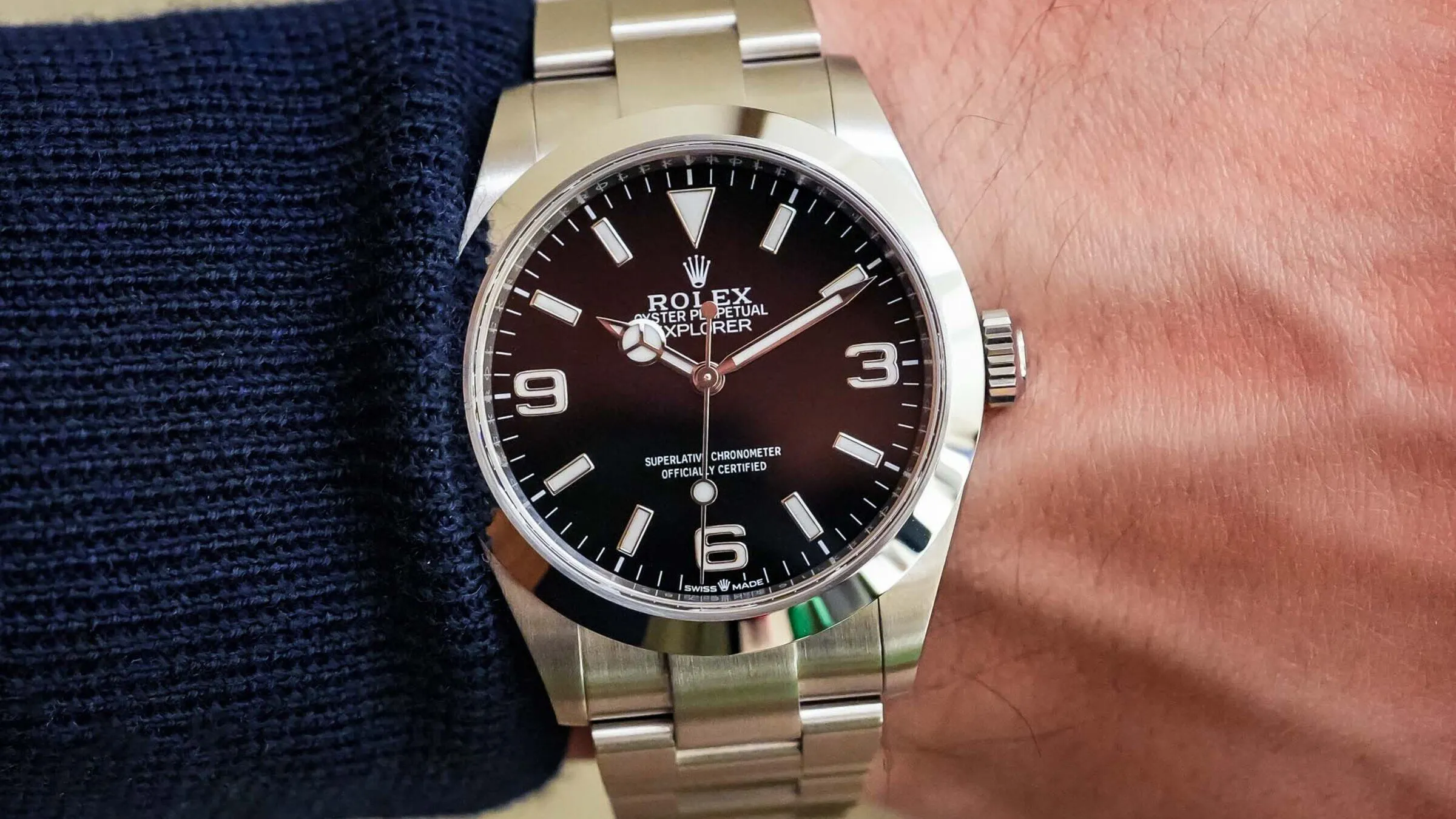
From the Oysters on Everest in 1953 to today's Explorer 36 and 40: why it has a 3-6-9 dial and nothing else, and what each version costs in Australia.
From the French Navy's Tudor Submariners to the titanium Pelagos 42, 39 and FXD: how the watch came to be, why it has a helium valve and a self-adjusting clasp, and what each version costs in Australia.
Where the wave dial and helium valve come from, how a costume designer put it on Bond, and which version to buy in Australia, from $9,925.
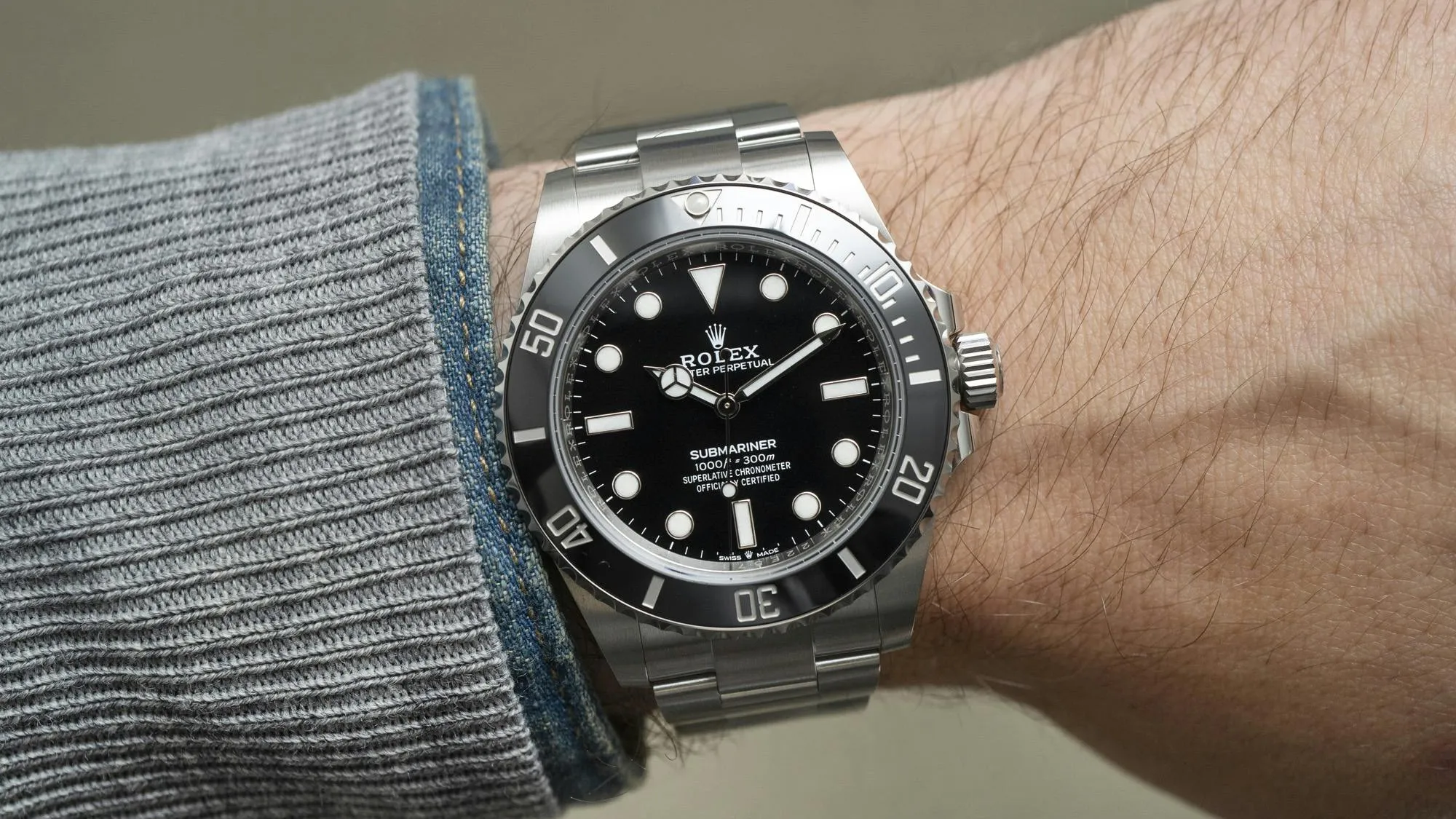
Why the bezel turns one way, why the crown has three seals and what changed in 2020, then the Australian range from $16,850 and whether the Date is worth $2,100 more.
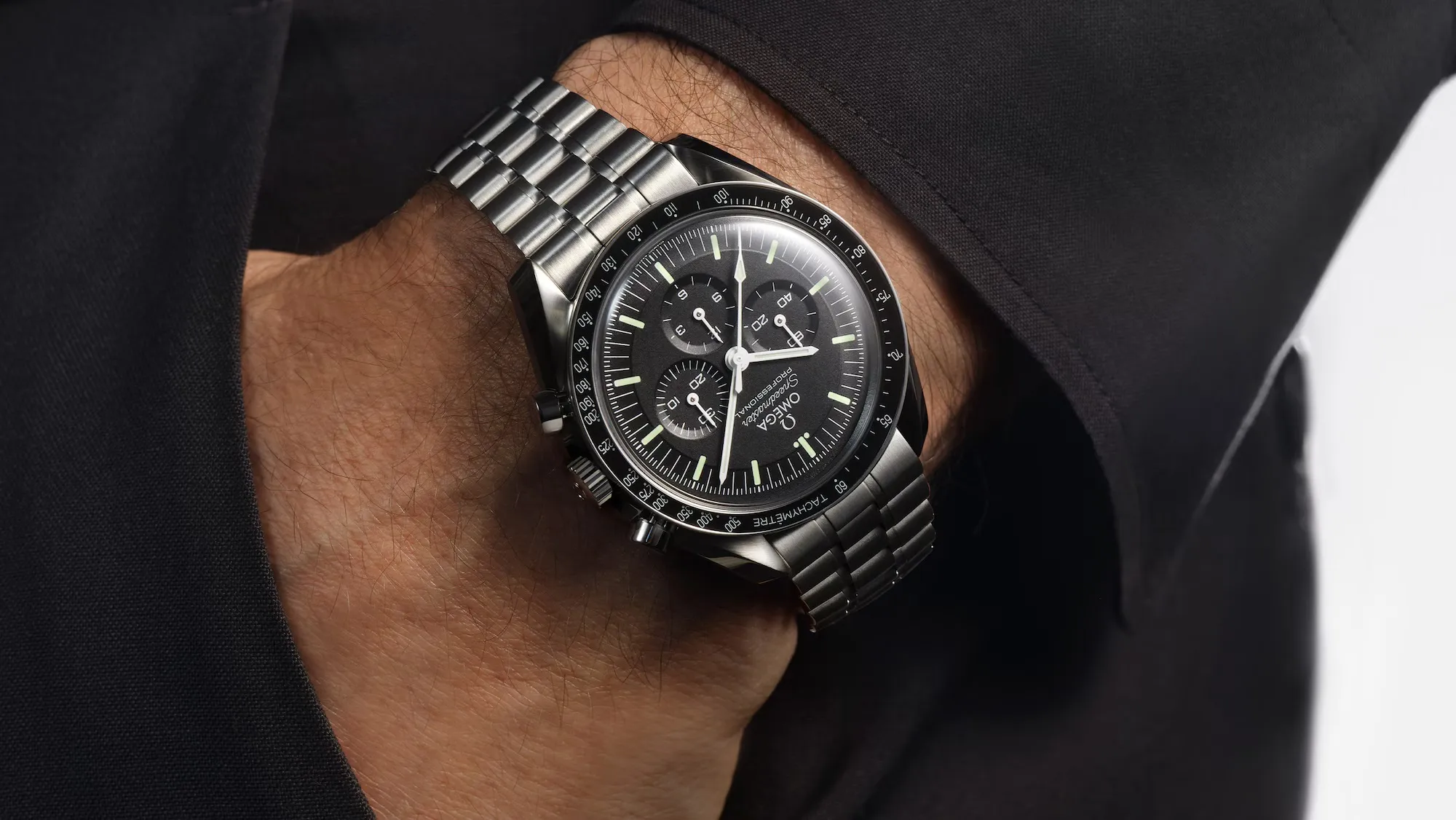
The Speedmaster's story as Omega tells it, from the 1957 racing chronograph to Apollo 13, what the calibre 3861 changed, and whether to buy the Hesalite or sapphire model, from $12,350 on the bracelet.