Best Rolex Watches: Which One Was Made for You
Every current Rolex sports and everyday family, from the $10,300 Oyster Perpetual to the Yacht-Master II: the job each was built for, what it costs in Australia, and the Tudor that does the same job for less.
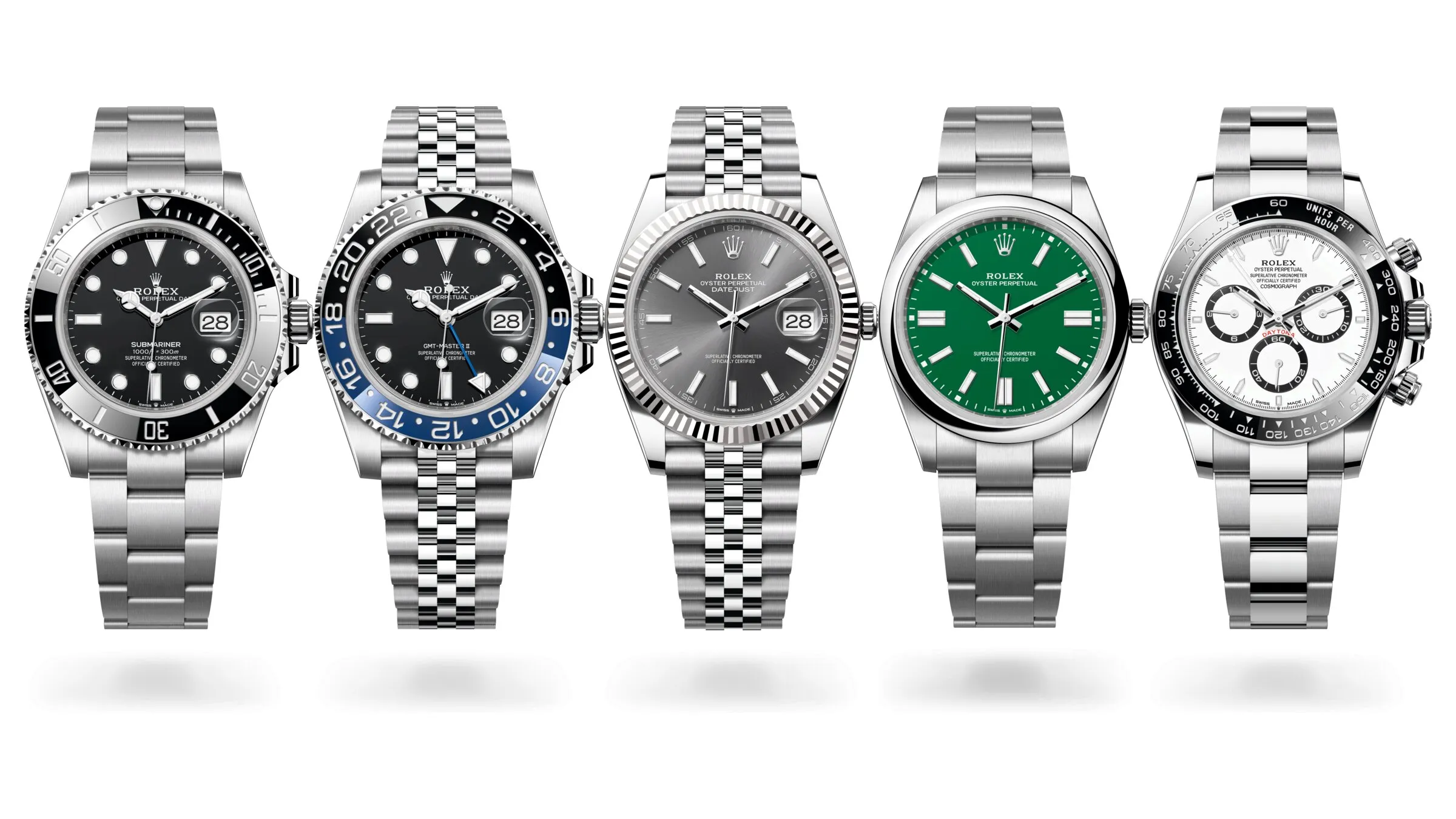
Nearly every Rolex was built for someone with a job to do. The Submariner was made for the divers of the 1950s, the GMT-Master II goes back to Pan Am’s long-haul pilots, the Explorer followed in the wake of the 1953 Everest expedition, and the Cosmograph Daytona was built for the race track. Today most of them spend their days in offices, but the job each was made for still shapes what’s on the dial, and it’s the clearest way to work out which one suits you.
That matters, because from the outside the range is hard to read. Most models share similar round steel cases, the names overlap, and prices run from just over $10,000 to more than $30,000 before you reach gold. Below, each family gets its story and who it suits. At the end, you’ll find a table matching each one to a buyer and current Australian prices.
The Oyster: where every Rolex starts
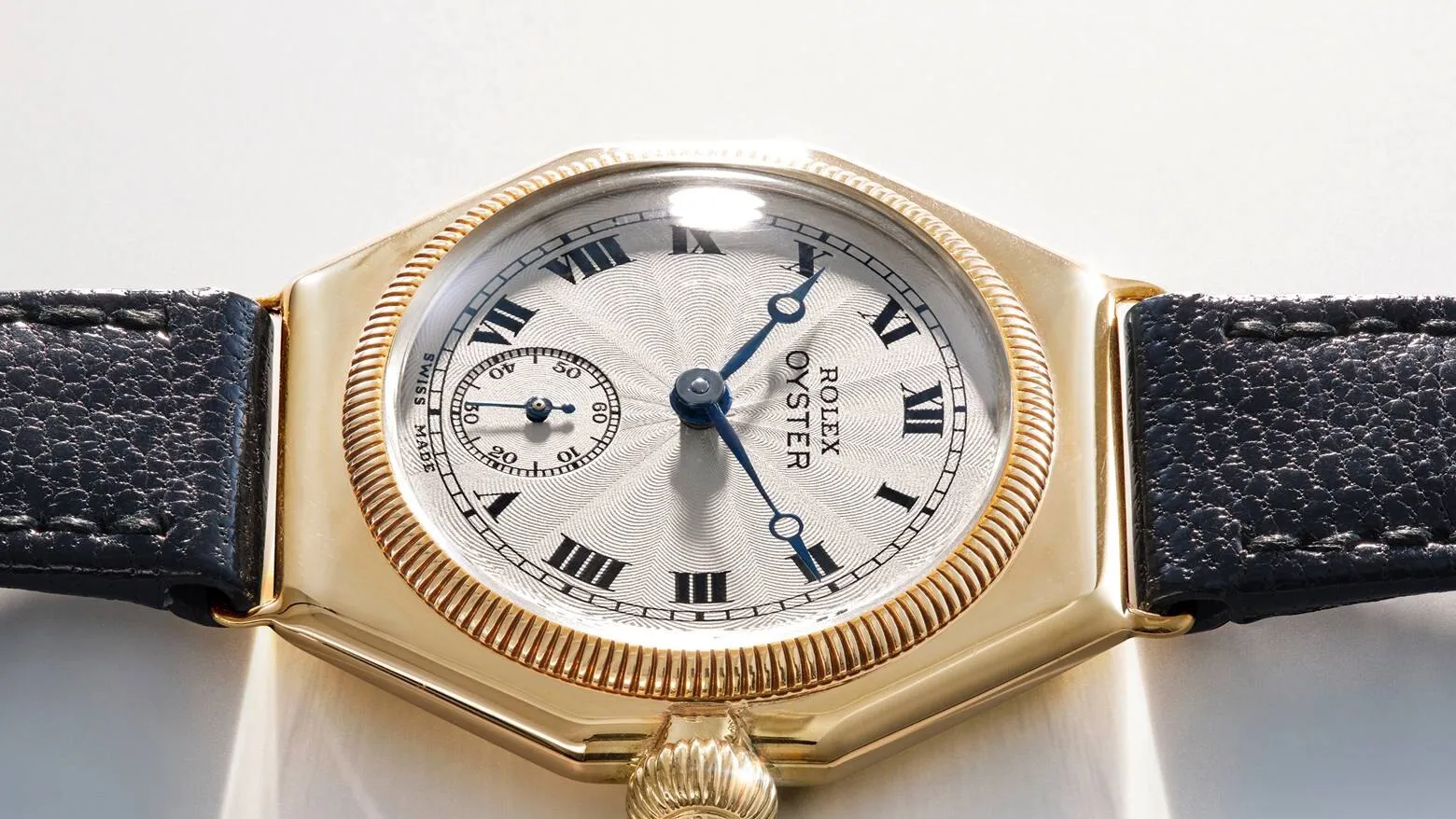
The first Oyster, 1926: a gold octagonal case with a screw-down crown and fluted bezel. Photo: Rolex
Hans Wilsdorf founded the business in London in 1905, registered the Rolex name in 1908 and had moved the company to Geneva by 1919. In 1926, Rolex patented the Oyster, a case whose bezel, back and crown screwed down tightly to keep out water and dust. In 1931, it added the Perpetual, a rotor that winds the watch as the wrist moves.
Every watch in this guide is an Oyster Perpetual underneath, and those words are still printed on the dials. Rolex certifies its watches as Superlative Chronometers, accurate to within two seconds a day either way once cased. What changes from one family to the next is what’s been added for the job: a date, a dive bezel, a 24-hour hand or a stopwatch.
Oyster Perpetual: the Rolex with nothing added
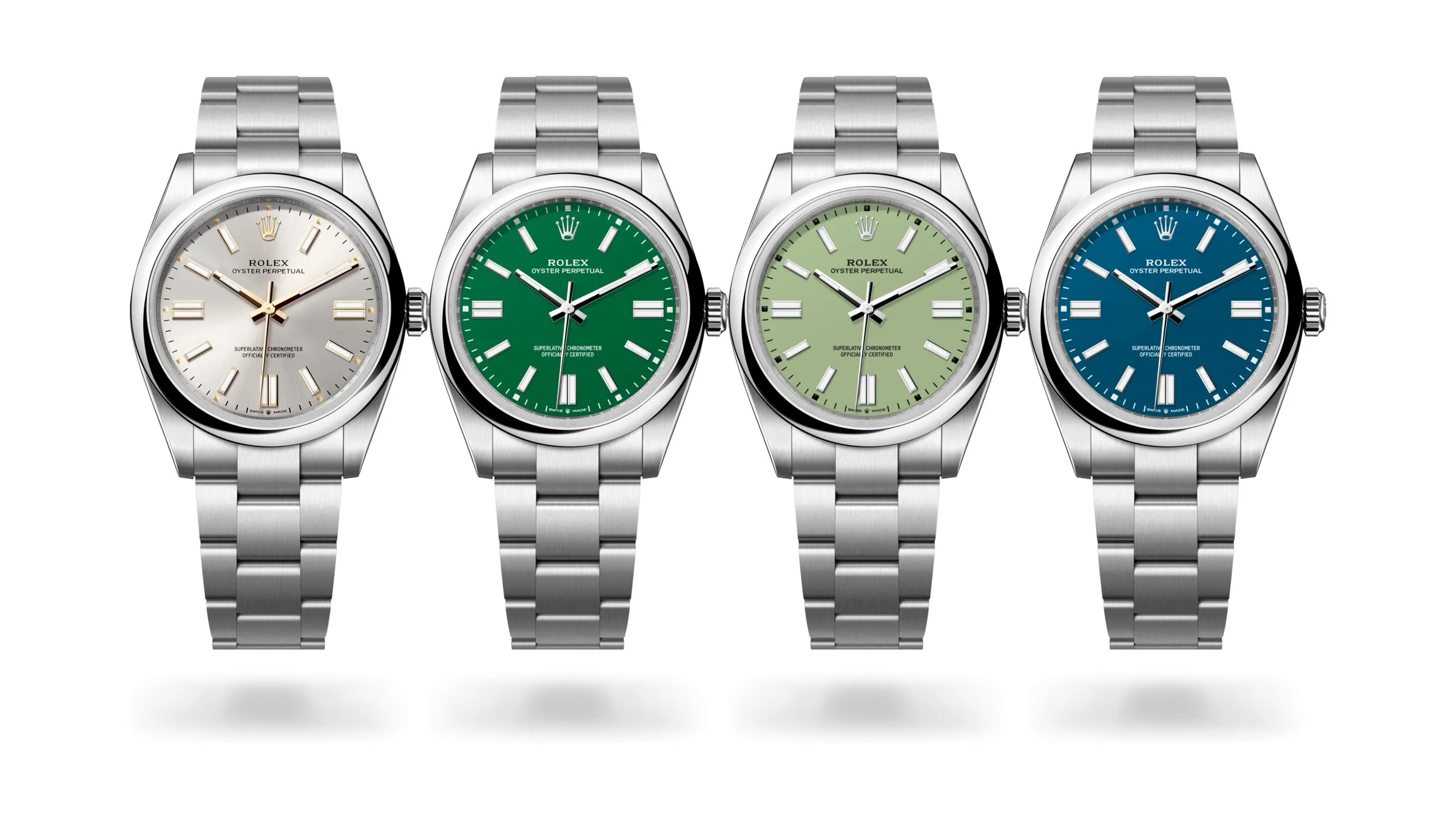
Oyster Perpetual 41 dials: silver, green, pistachio and blue. Image: Rolex
The Oyster Perpetual is the 1926 case and the 1931 rotor with nothing else: three hands, no date, no dive bezel and no second time zone. It comes in five sizes, from 28mm to 41mm, and its colourful dials make it the most cheerful watch Rolex sells.
It’s also the least expensive new Rolex. It suits anyone who wants an everyday Rolex at its simplest.
Datejust: the everyday Rolex for a suit
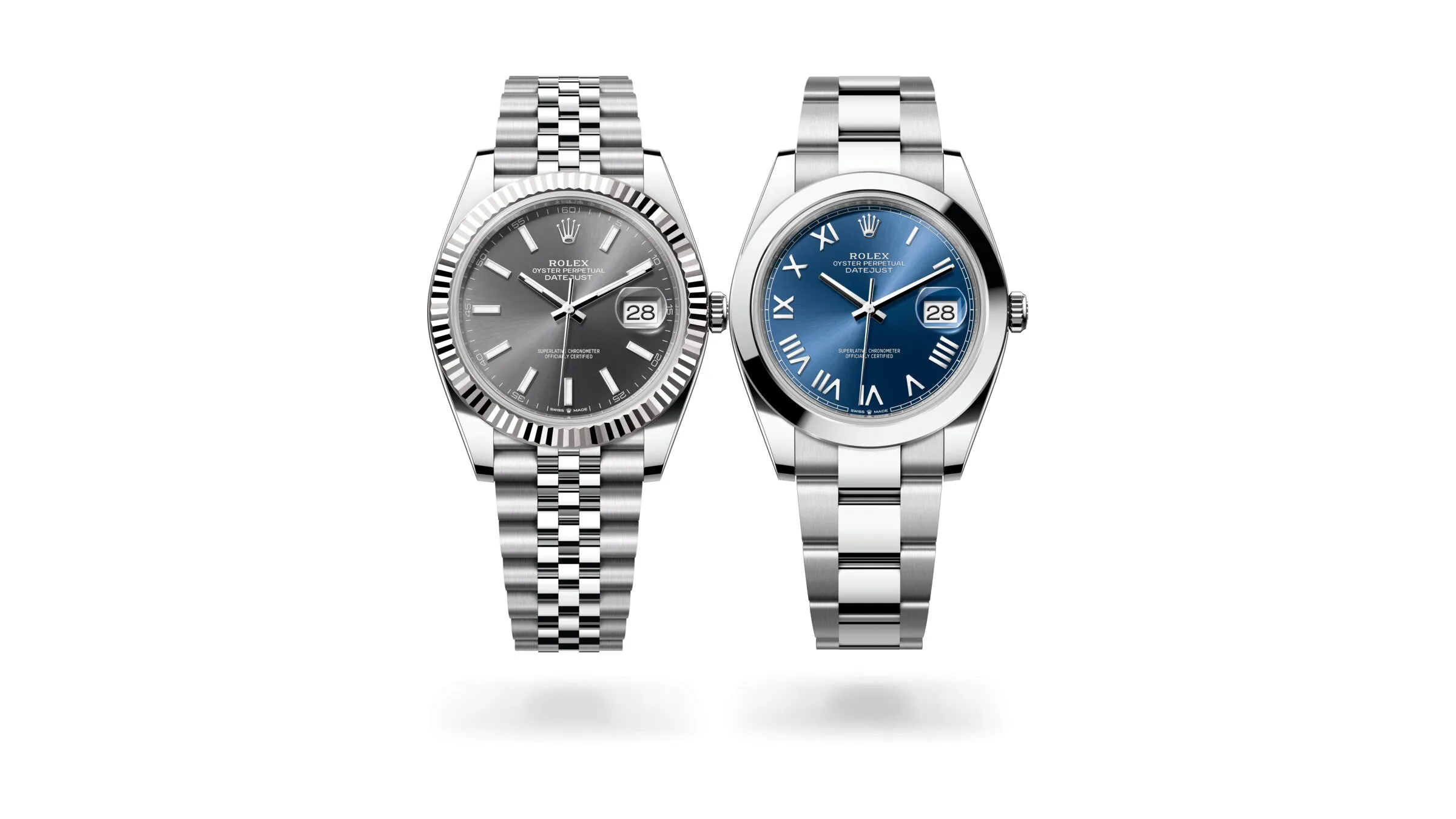
Fluted bezel on a Jubilee bracelet (left) and smooth bezel on an Oyster bracelet. Image: Rolex
Rolex launched the Datejust in 1945, the year the company turned 40. By Rolex’s account, it was the first self-winding waterproof chronometer wristwatch to show the date in a window on the dial, and the name says exactly that.
It’s also the Rolex with the most choices: two main sizes, a smooth or fluted bezel, the sporty Oyster or five-link Jubilee bracelet, and steel or two-tone. It suits anyone who wants one Rolex that looks as good with a suit as it does at the weekend.
Submariner: the 1953 dive watch
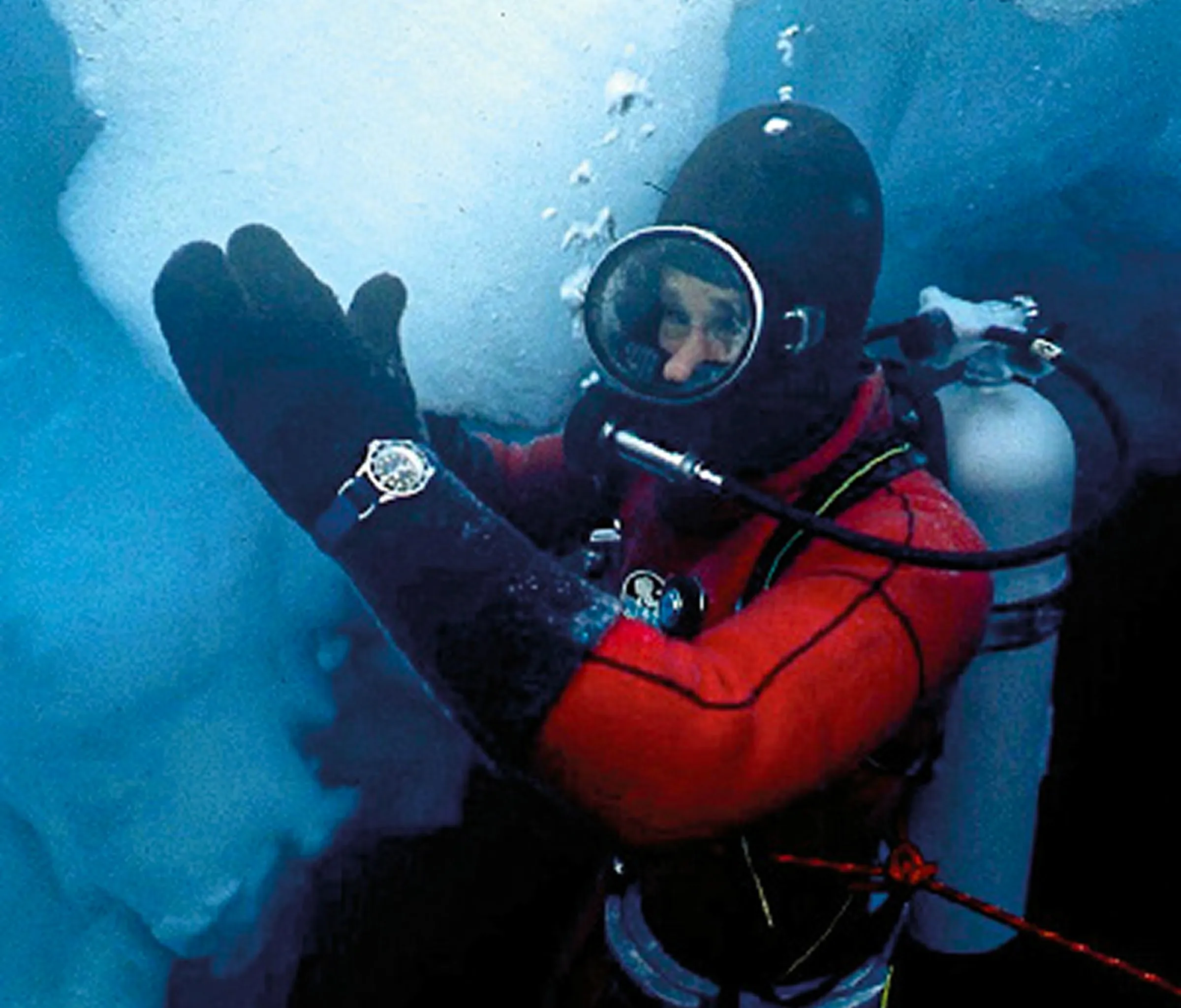
A diver wearing a Submariner under the North Pole ice in 1974. Photo: Rolex
In 1952, Royal Navy divers wore Rolex Oysters to 73 metres in Loch Fyne, and the watches came back dry. Rolex used what it learned to build the Submariner, launched in 1953 for the new sport of scuba diving. It was waterproof to 100 metres and had a rotating bezel so a diver could see at a glance how long they’d been under.
Today’s Submariner is 41mm, rated to 300 metres and available with or without a date. It’s the watch most people picture when they say they want a Rolex, and it suits anyone who wants one watch to do everything.
GMT-Master II: the airline pilot’s watch
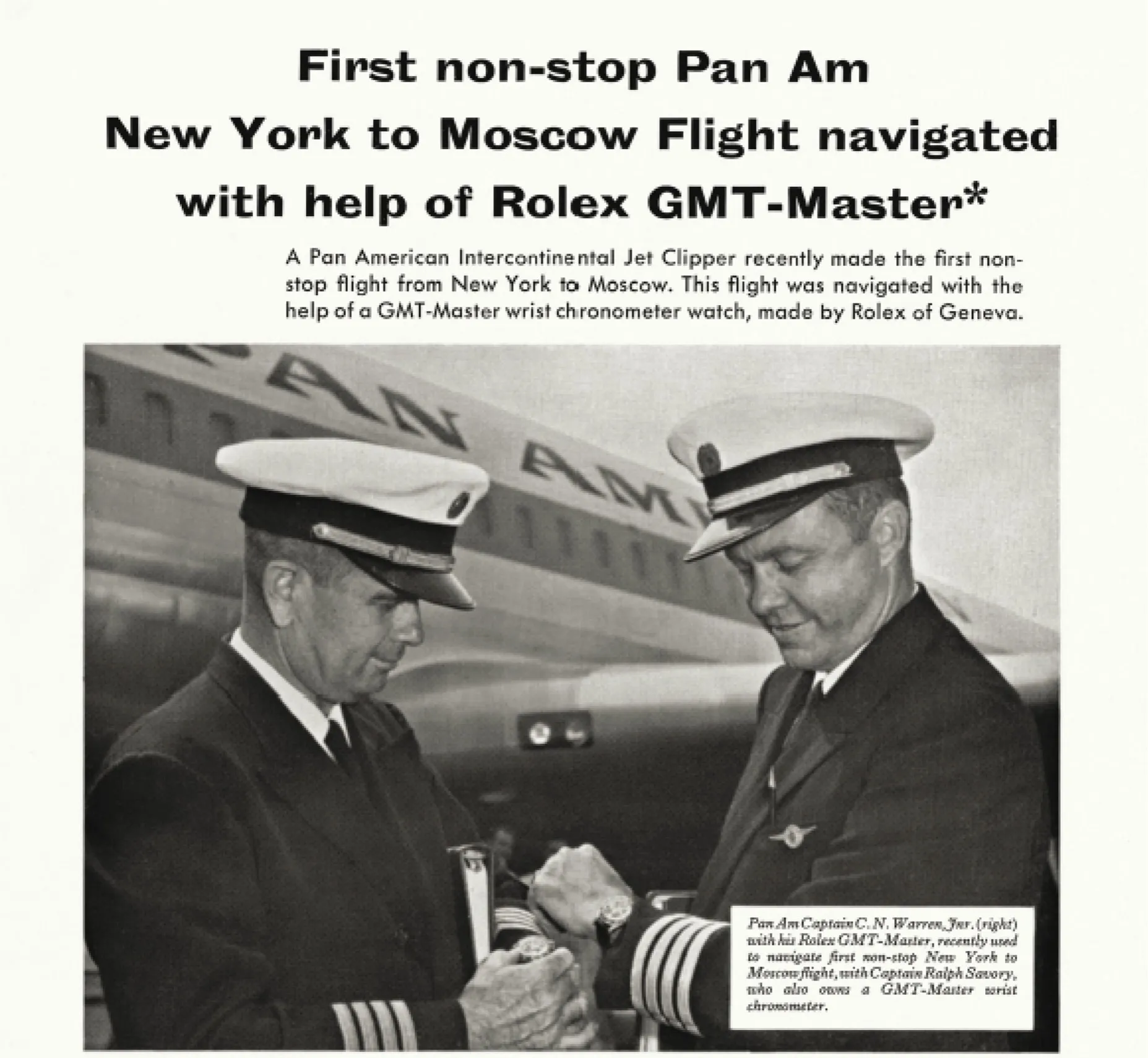
Rolex’s advertisement for Pan Am’s first non-stop New York to Moscow flight. Image: Rolex
In the 1950s, airlines began flying non-stop across oceans, and pilots needed to keep track of several time zones at once. Rolex’s answer was the GMT-Master, which became Pan Am’s official watch in 1955. A fourth hand goes round once a day and reads against a two-colour 24-hour bezel, one colour for daytime hours and one for night.
The modern GMT-Master II adds a local hour hand that jumps on its own, so you can change time zones on arrival without stopping the watch. At 40mm, it suits frequent travellers, or anyone who wants to keep an eye on the time at home while they’re away. In steel, the blue-and-black bezel is the one to start with.
Explorer: the watch that followed Everest

Tenzing Norgay (left) and Edmund Hillary on the 1953 British Everest expedition. Photo: Dirk Pons, from the John Henderson collection, CC BY-SA 3.0, converted to black and white
Rolex kitted out the 1953 British Everest expedition with Oyster Perpetuals, and on 29 May, Edmund Hillary and Tenzing Norgay became the first people to stand on the summit. The watches on the mountain weren’t Explorers, though. That name came afterwards, on a watch Rolex made in the expedition’s spirit: a black dial with large numerals at 3, 6 and 9, a triangle at 12, and no date or rotating bezel.
The Explorer is still that plain, in 36mm or 40mm. It suits anyone who wants a Rolex that simply tells the time and looks more like a tool than a dress watch.
Explorer II: for cavers and polar expeditions
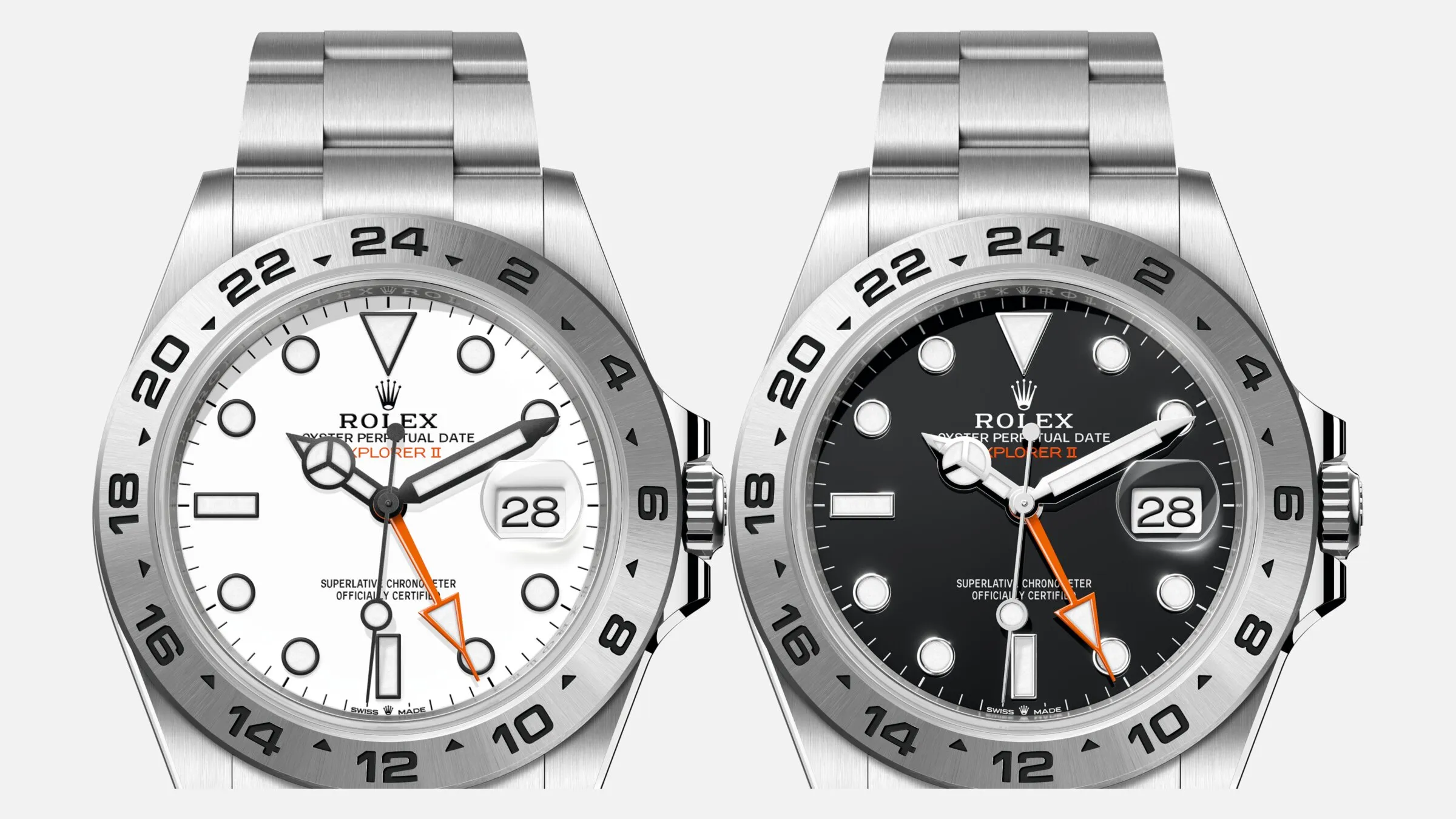
The Explorer II 42mm in white (left) and black. Image: Rolex
The Explorer II followed in 1971 for cavers and polar expeditions, people who lose track of the sun underground or in summers when it never sets. Its bright orange 24-hour hand shows at a glance whether it’s day or night, and it can also track a second time zone against a fixed steel bezel.
At 42mm, it’s a plainer, tougher-looking alternative to the GMT-Master II, and it costs less. It suits anyone who wants a second time zone without a coloured bezel.
Cosmograph Daytona: the racing chronograph
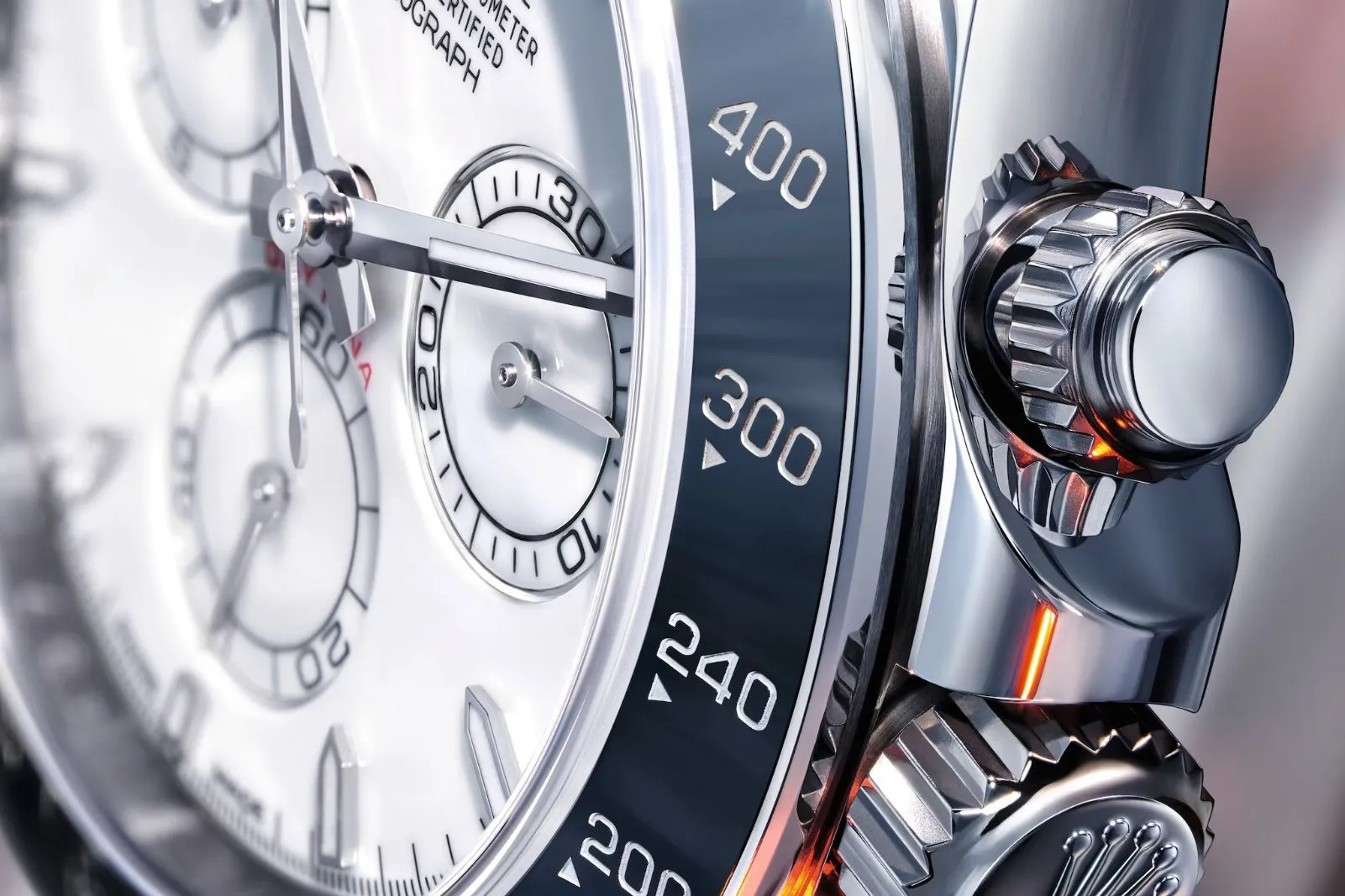
The speed scale on the Daytona’s ceramic bezel, with a screw-down pusher and the crown beside it. Image: Rolex
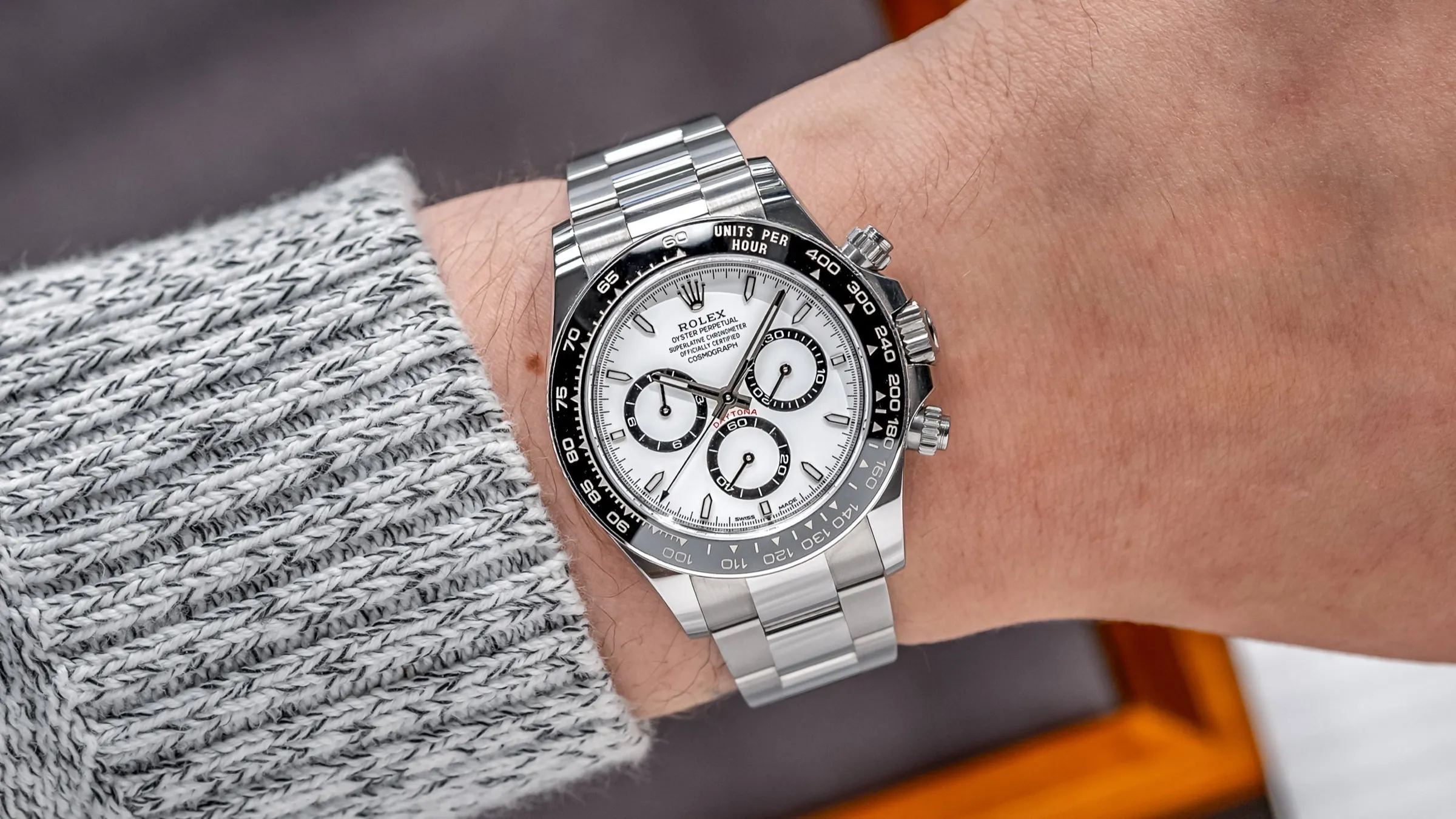
Rolex has partnered Daytona International Speedway since the Florida track opened in 1959, and in 1963 it launched the Cosmograph, a chronograph built for racing drivers. Early on, Rolex added the word “Daytona” to the dials of some watches sold in America, and over time the name became standard. The bezel carries a speed scale for working out average speed over a set distance, and the pushers screw down to keep water out.
Today’s Cosmograph Daytona is 40mm and comes in steel, gold, platinum and, since 2026, a mix of steel and platinum. It’s the Rolex to choose if you want a working timer on your wrist with a motor-racing story behind it.
Yacht-Master: the sailing watch
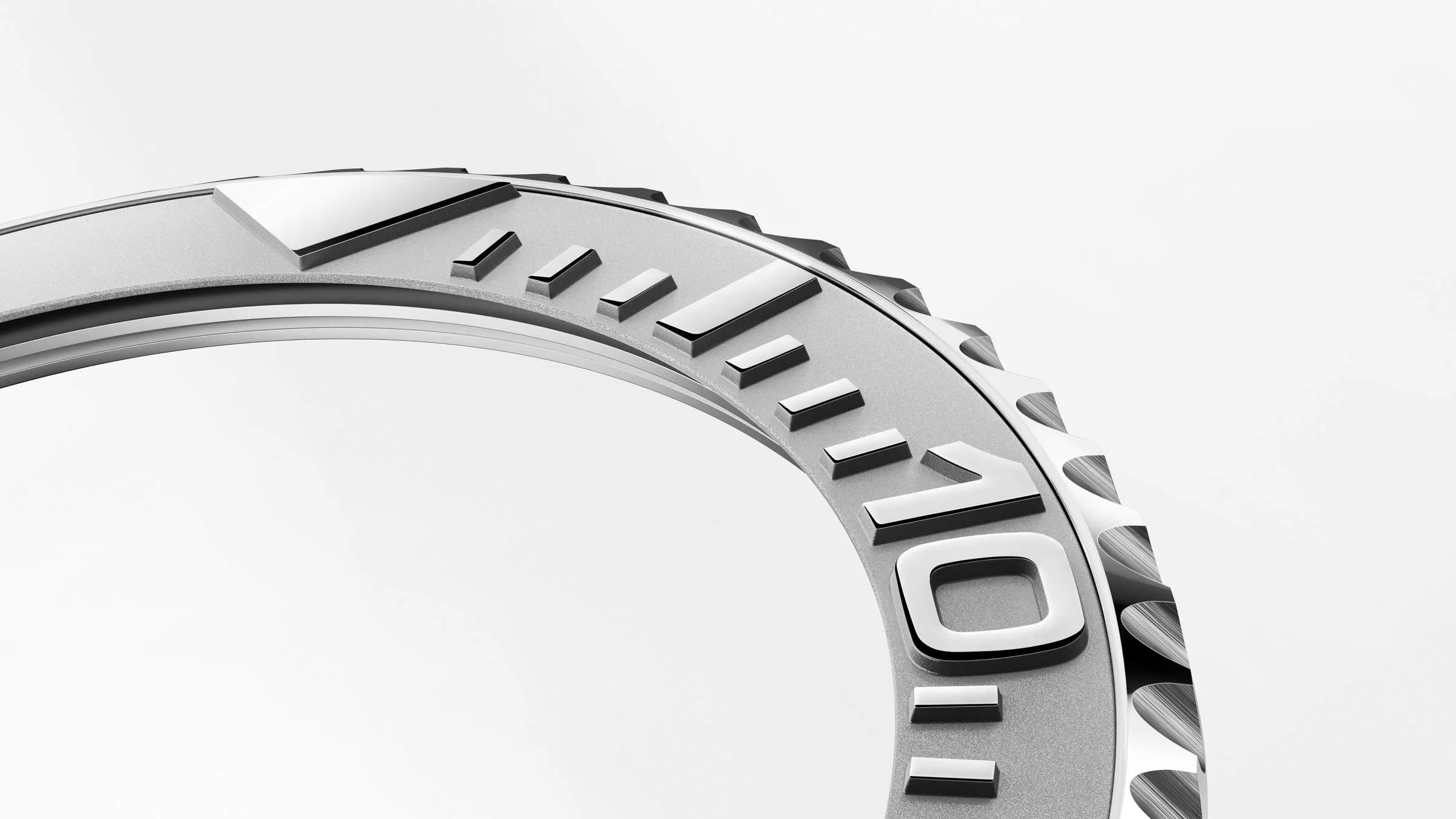
The solid platinum bezel of the Yacht-Master 40, its numerals raised from a sand-blasted ground. Image: Rolex
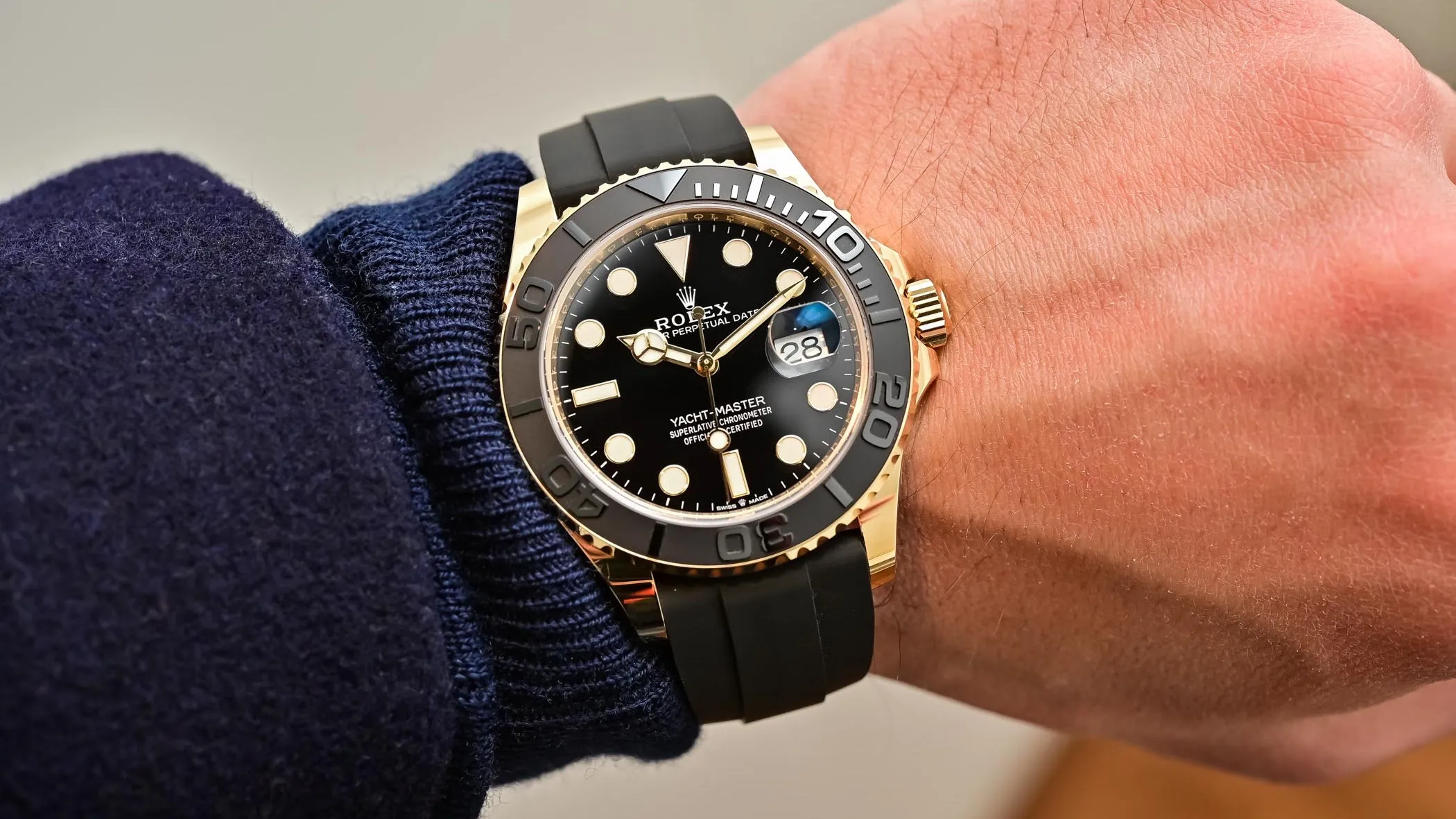
Rolex’s sailing ties go back to 1958 and the New York Yacht Club, and closer to home it has been title sponsor of the Sydney Hobart since 2002. The Yacht-Master, launched in 1992, is its watch for life on the water. Boats are hard on watches, with salt spray, wet hands and knocks against winches and rails, and sailors often need to time a leg between buoys. The Yacht-Master’s answer is a 60-minute bezel with raised numerals that’s easy to grip and read.
It comes in 37, 40 and 42mm, but never in plain steel. The options are steel with a platinum bezel, titanium or gold, which makes it the dressier sibling of the Submariner. The 40mm in steel and platinum is the one most people mean, and it suits sailors who want a watch that looks as at home in the yacht club as it does on deck.
Yacht-Master II: the regatta countdown
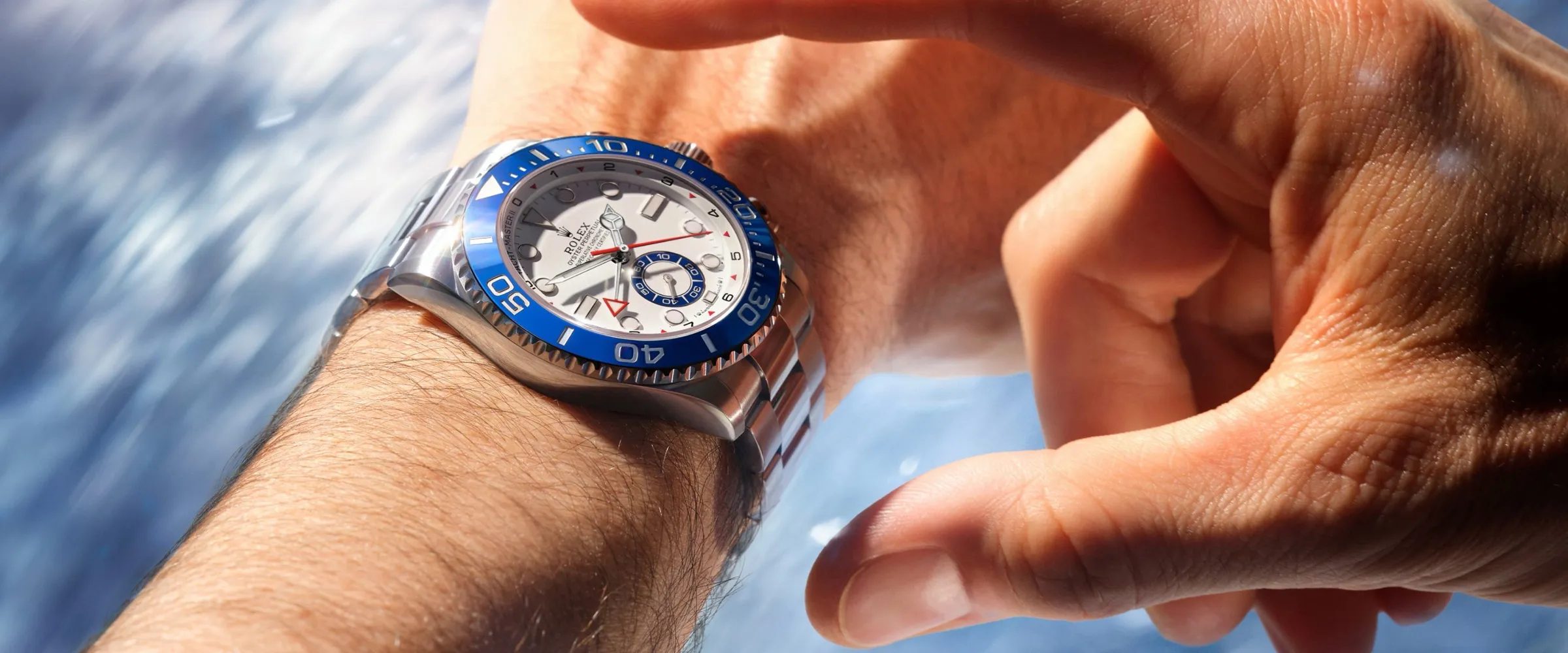
The Yacht-Master II of 2026, with its regatta countdown set from the lower pusher. Image: Rolex
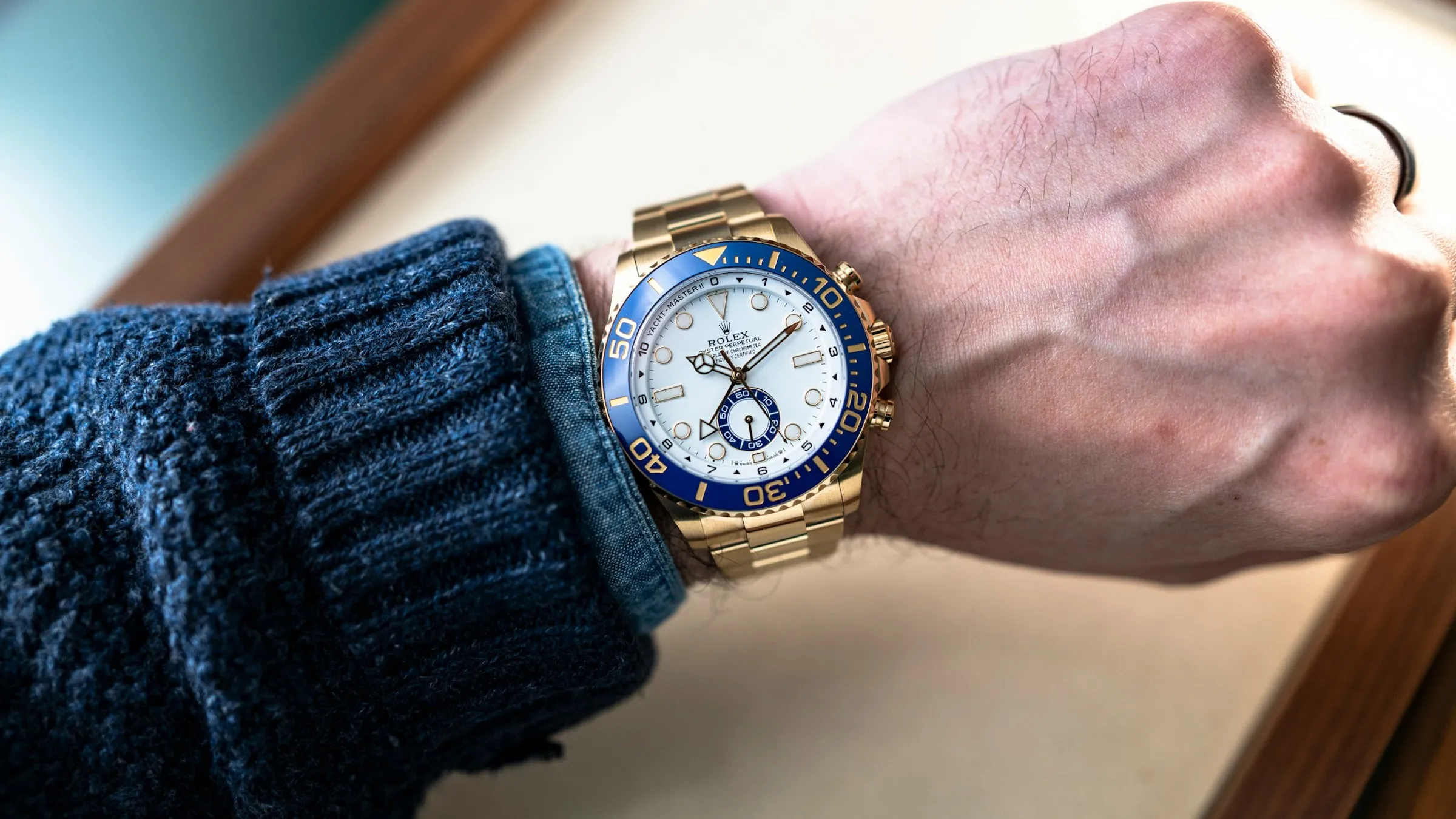
The Yacht-Master II is for racing rather than sailing for pleasure. A yacht race starts with a countdown, and the boats circle behind the line, trying to cross at full speed the moment the gun goes. Launched in 2007, the Yacht-Master II is a regatta chronograph with a programmable countdown that remembers its length from race to race. Rolex rebuilt it in 2026 so the countdown is set from the pushers instead of the bezel.
At 44mm, it’s the largest and most specialised watch in this guide, and it suits sailors who race.
Which Rolex suits you
Start with what you’ll do in the watch.
| If you want | Buy | Size |
|---|---|---|
| One Rolex for everything | Submariner, no date | 41mm |
| The simplest, least expensive Rolex | Oyster Perpetual | 36, 41mm |
| A watch that works with a suit | Datejust 36, fluted bezel, Jubilee | 36mm |
| The plainest tool watch | Explorer 36 | 36mm |
| A second time zone for travel | GMT-Master II, blue and black | 40mm |
| A second time zone in plain steel | Explorer II | 42mm |
| A chronograph | Cosmograph Daytona, steel | 40mm |
| A watch for sailing | Yacht-Master 40, steel and platinum | 40mm |
| A watch for yacht racing | Yacht-Master II, steel | 44mm |
Rolex also makes other families, such as the Day-Date and Sky-Dweller, which aren’t covered here.
Rolex prices in Australia
Recommended retail prices for the models in this guide. Prices updated 27 November 2026.
| Model | Version | Price |
|---|---|---|
| Oyster Perpetual | 28mm to 41mm | $10,300–$11,750 |
| Explorer | 36mm | $13,250 |
| Explorer | 40mm | $14,050 |
| Datejust | 36mm, steel | From $13,700 |
| Datejust | 36mm, white Rolesor, fluted, Jubilee | $16,950 |
| Datejust | 41mm, steel | From $14,900 |
| Submariner | No date | $16,850 |
| Submariner Date | Steel | $18,950 |
| Explorer II | 42mm | $17,750 |
| GMT-Master II | Steel | From $19,700 |
| Yacht-Master | 37mm to 42mm | From $20,800 |
| Yacht-Master 40 | Steel and platinum | $22,100 |
| Cosmograph Daytona | Steel | $28,200 |
| Yacht-Master II | Steel | $33,900 |
Tudor: the cheaper way in
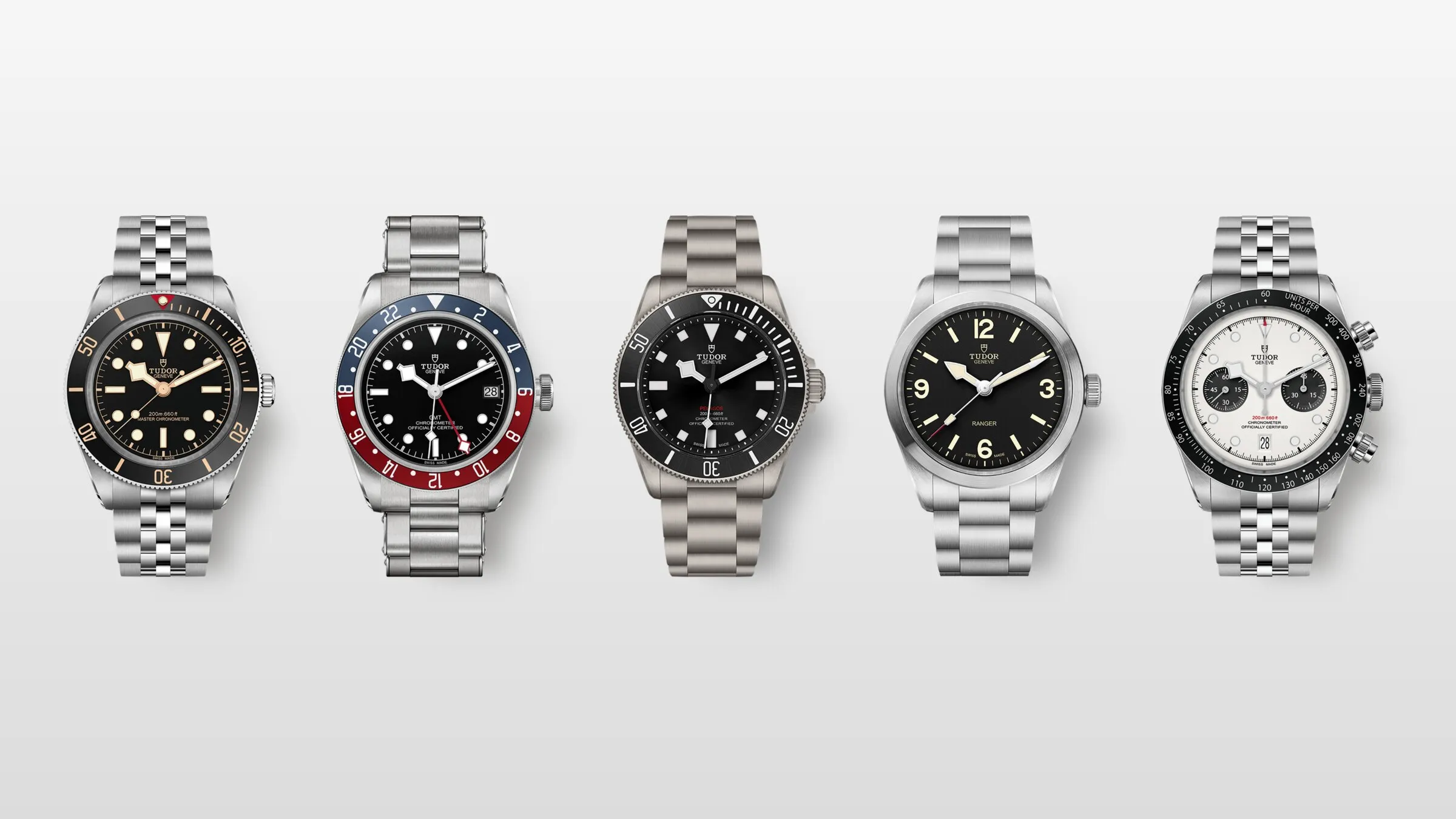
Five of the Tudor range, from the Black Bay 58 to the Black Bay Chrono. Image: Tudor
Wilsdorf set up Tudor in 1946 to sell watches with Rolex’s dependability at what he called “a more modest price”. Most of the jobs above have a Tudor for well under half the money.
| Instead of | Tudor | Price |
|---|---|---|
| Submariner | Black Bay 58 or Pelagos | From $6,990 |
| GMT-Master II | Black Bay GMT | $7,430 |
| Explorer | Ranger | From $4,960 |
| Explorer II | Black Bay Pro | From $6,660 |
| Cosmograph Daytona | Black Bay Chrono | From $9,680 |
Prices updated 27 November 2026.
Buying a Rolex in Australia
Only Official Rolex Retailers sell and service new Rolex watches, and a new watch bought from one comes with Rolex’s five-year international guarantee from the date of purchase. Rolex’s retailer locator lists them, including retailers in Sydney, Melbourne, Brisbane, Adelaide and Perth.
Rolex doesn’t run an official waiting list. Each retailer decides who gets a watch when one arrives, so talk to one early and be clear about the model, size and bracelet you want.
Rolex Certified Pre-Owned is the other official route. These are second-hand watches at least two years old, sold only by Official Rolex Retailers that display the programme’s plaque, with a two-year international guarantee. It’s also a way to find a dial or bracelet that’s no longer in the current catalogue.